What Is a Back Flow Valve and How Does It Work?
Clean water is easy to take for granted until it moves the wrong way. A back flow valve helps prevent water or wastewater from reversing direction through a pipe. In a home, that protection may matter during heavy rain, a sewer backup, or a sudden change in water pressure. The exact risk depends on the plumbing system and the valve’s location.
The basic idea is straightforward. Water flows through the valve in the intended direction, pushing a gate, flap, or other mechanism open. If flow reverses, the mechanism closes and helps block the return path. You might never notice it working. That is the point. Yet not every valve uses the same design, and a back flow valve is not a universal fix for every plumbing problem.
Understanding how the valve works can help homeowners ask better questions before installation or repair. Is the device suited to the pipe and expected flow? Can it be reached for inspection? Is it showing signs of wear, debris, or a poor seal? Small details matter. A valve that sticks open may offer little protection, while one that stays closed can restrict normal drainage. That part is easy to overlook. This guide explains common valve types, how they operate, where they are used, and what maintenance can involve. For a specific system, a qualified plumbing professional can assess the installation and relevant local requirements.
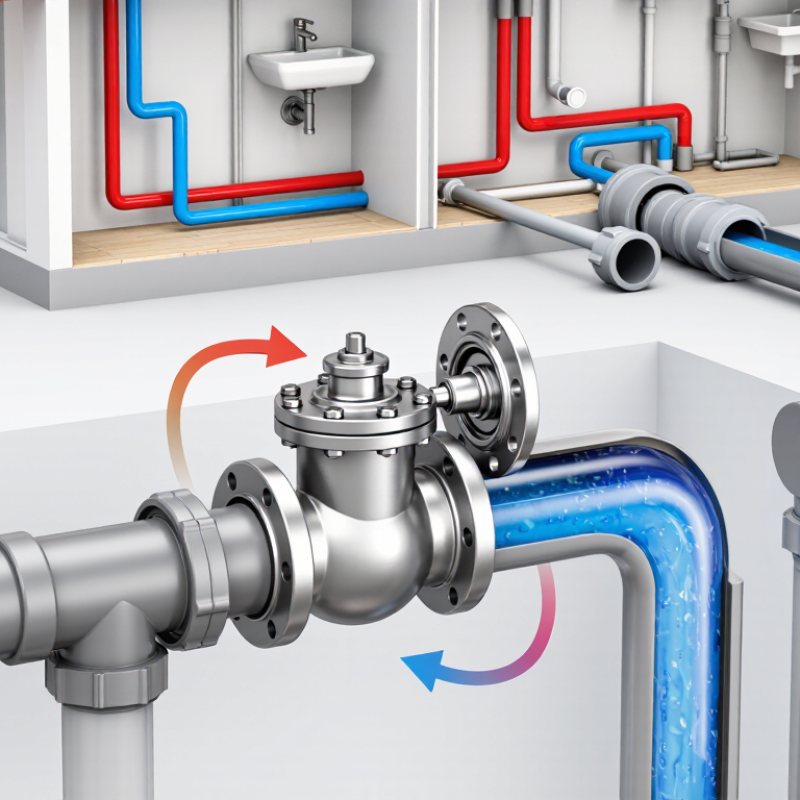
What a Backflow Valve Is and Where It Is Used
A backflow valve, more accurately called a backflow preventer, keeps water moving in one direction. It protects drinking-water pipes when pressure changes could pull or push contaminated water backward. A sudden main break can create suction; a pump or boiler can create excess pressure. Either condition may draw water from a hose, chemical line, or heating system into clean plumbing.
These devices are commonly installed on irrigation connections, fire-sprinkler lines, boilers, and commercial equipment. The right type depends on the hazard and local plumbing requirements. The U.S. EPA’s Cross-Connection Control Manual explains how cross-connections and pressure changes can threaten water supplies. Its 2023 Drinking Water Infrastructure Needs Survey and Assessment estimated $625 billion in drinking-water infrastructure needs over 20 years. That figure is not specific to backflow, but it underscores the value of protecting system components. A preventer is not a set-and-forget solution; worn seals or a closed valve can undermine protection.
Tips: Check the assembly’s test date and look for leaks around its fittings. Keep irrigation hoses out of standing water, and never bypass a preventer to restore flow quickly. Small details matter. If the device fails a test, have a qualified professional inspect it and confirm the correct replacement.
The Main Components of a Backflow Valve
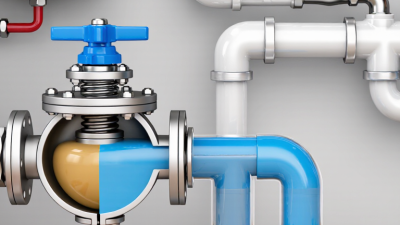
A backflow valve helps keep water moving in the intended direction. Its main components vary by design, but many assemblies include a sturdy body, an inlet, an outlet, and one or more check valves. The body contains the moving parts and directs water through the assembly. A check valve typically has a disc or poppet that rests against a seat. Forward pressure lifts it; reverse pressure pushes it closed. Some models use a spring to help the valve shut quickly. Not every design uses the same parts.
Tips: Look for the flow-direction arrow on the valve body before checking its layout. Keep access clear around test ports and shutoff valves, if fitted. A small drip may signal a worn seal, but it can also have another cause. Don’t guess from appearance alone.
In a common double-check assembly, two check valves sit in series, with test cocks between or near them. Those small ports let a qualified technician measure pressure during testing. Shutoff valves at either end allow the assembly to be isolated for service. Some backflow preventers also include a relief valve and air inlet; these are not universal components. When reverse pressure develops, the checks close, and a relief mechanism may discharge water, depending on the design. That discharge can look alarming. Regular inspection matters, since debris or a damaged seat may prevent a tight seal.
How the Valve Detects and Stops Reverse Flow
A backflow valve helps keep water moving in the intended direction. It responds to a pressure change, not to a person watching the pipe. When water flows forward, pressure pushes a flap, disc, or other closure open. If flow reverses, pressure from the opposite direction moves the closure back toward its seat. That change matters. In some designs, gravity or a spring helps the valve close.
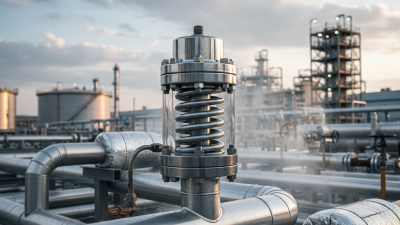
The exact action depends on the valve type and installation. A sewer backwater valve may use a hinged flap that closes when wastewater pushes backward. Other check valves use a spring-loaded disc. A clean, well-seated closure can limit reverse flow, but debris, wear, or incorrect installation may prevent a tight seal. It is easy to assume the valve is working because it looks fine from outside. That assumption can be wrong.
Tips: Check the manufacturer’s maintenance guidance and keep accessible valves clear of debris. If you hear unusual gurgling, notice slow drainage, or see signs of leakage, arrange an inspection by a qualified plumbing professional. Don’t force a stuck flap; a small obstruction can cause bigger trouble.
Factors That Affect Valve Selection and Maintenance
Selecting a backflow valve starts with the fluid, pressure, flow rate, and level of contamination risk. A valve for clean irrigation water may not provide enough protection for a system connected to chemicals or other hazards. Check the pipe diameter, connection type, installation direction, and available space. A tight cabinet can make later testing awkward. Small details matter.
A check valve and a tested backflow-prevention assembly are not always interchangeable. Confirm that the device suits the application and applicable local requirements; a qualified plumbing professional can help assess the risk. Maintenance needs depend on the valve design, water quality, and operating conditions. Sediment, mineral scale, or a worn seal can prevent proper closure. Look for leaks, unusual pressure changes, and signs of corrosion, then arrange inspection or testing at the required interval. Keep service records. A common oversight is focusing on the purchase price while overlooking access for repairs. Honestly, that can make a simple service visit more difficult than expected.

 More