Why Do You Need a Backflow Valve?

A back flow valve helps keep contaminated water from reversing direction and entering a clean supply. That risk can arise when pressure drops suddenly, such as during a water-main break or heavy demand nearby. The result may be invisible: a hose submerged in a bucket, a boiler connection, or irrigation lines under pressure can create a path for reverse flow. A properly selected back flow valve helps interrupt that path. It is a small component with a serious job.

The USC Foundation for Cross-Connection Control and Hydraulic Research is a leading technical resource in this field. Its guidance reflects a practical principle: “Backflow protection works only when the device suits the hazard and is properly maintained.” This is a concise paraphrase, not a verbatim quotation. The right device depends on the plumbing system, the possible contamination, and local technical requirements. Installation alone is not the finish line. Some devices need periodic testing and service by qualified professionals. A valve that sticks, leaks, or goes unchecked may offer less protection than expected. That part is easy to overlook. This guide explains why backflow happens, where a back flow valve fits, and what owners should consider when choosing and maintaining one. It also leaves room for a useful caution: no single valve is right for every setup.
Why Do You Need a Backflow Valve?

How Backflow Occurs in Plumbing Systems

Why Do You Need a Backflow Valve?
How Backflow Occurs in Plumbing Systems

Water normally flows from the supply pipe toward a faucet, toilet, or appliance. Backflow reverses that direction, allowing used or contaminated water to enter clean plumbing. Two pressure changes can cause it. Back-siphonage occurs when supply pressure drops, such as during a water-main break or heavy firefighting. Backpressure occurs when a pump, boiler, or other pressurized system pushes water back toward the supply. That pressure reversal matters.

A simple cross-connection can create a route for contamination. For example, a garden hose left underwater in a bucket may draw dirty water into the plumbing if pressure falls. Irrigation systems can pose a similar risk when water contacts soil or fertilizer. The U.S. Environmental Protection Agency’s Cross-Connection Control Manual describes these pathways and the role of protective devices. The scale of water-related risk is also clear in CDC surveillance: a 2023 report recorded 214 drinking-water-associated outbreaks in the United States from 2015 to 2020, involving 2,140 illnesses. Those figures cover many causes, not backflow alone. A backflow valve helps block reverse flow, but protection depends on correct selection, installation, and maintenance. It is easy to assume a closed faucet is enough; it is not. A qualified plumbing professional can assess the specific connections and pressure conditions.

Why Do You Need a Backflow Valve? - How Backflow Occurs in Plumbing Systems

Backflow Mechanism How It Happens Realistic Plumbing Example Potential Concern Common Protection Approach
Backpressure Pressure in a connected system becomes greater than the pressure in the potable water supply, pushing water in the opposite direction. A pump, pressurized tank, or elevated heating system is connected to a water line without suitable backflow protection. Water or other substances from the connected system could enter the drinking-water plumbing. Use an appropriately selected backflow prevention assembly or device. The required type depends on the hazard and local plumbing rules.
Backsiphonage A sudden drop in supply pressure creates a suction effect that can draw water backward through a cross-connection. A garden hose is left submerged in a bucket, pool, or chemical solution while a nearby water-main break or heavy demand lowers supply pressure. Contaminated water may be drawn into the potable water system through the hose connection. Keep hose ends above the water level and use suitable hose-connection protection, such as a vacuum breaker where required.
Cross-connection A physical connection allows potable water to contact a non-potable source; backflow can occur if pressure conditions reverse. An irrigation system containing soil, fertilizer, or standing water is connected to a building’s potable water supply. Non-potable water could reach drinking-water fixtures if the connection is not protected. Install the protection required for the specific irrigation system and hazard; some systems require a testable assembly and periodic testing.
Loss of pressure in the supply Water-main work, a main break, firefighting demand, or another pressure-reducing event can contribute to backsiphonage where a cross-connection exists. A hose or equipment outlet is connected to a container or process vessel, and the supply pressure suddenly falls. Water from the container or equipment may be pulled back into the plumbing system. Remove cross-connections where possible and use a code-approved prevention device matched to the installation.
Why protection matters A suitable backflow preventer helps stop reverse flow; it does not replace safe plumbing design or required inspection and maintenance. Homes and buildings with irrigation, boilers, fire protection, or other connections may have different protection requirements. Device failure, incorrect installation, or lack of required testing can reduce protection. Have a qualified plumbing professional determine the correct device and follow local requirements for installation, testing, and maintenance.

Important: Backflow protection requirements vary by location and by the degree of hazard. A simple check valve is not suitable for every application; confirm the required device with local plumbing authorities or a qualified professional.
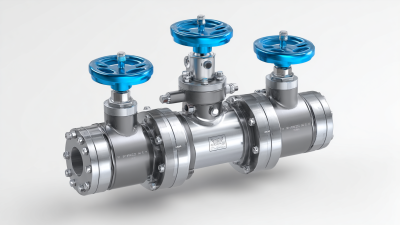
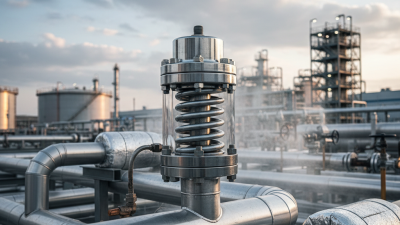
What a Backflow Valve Does

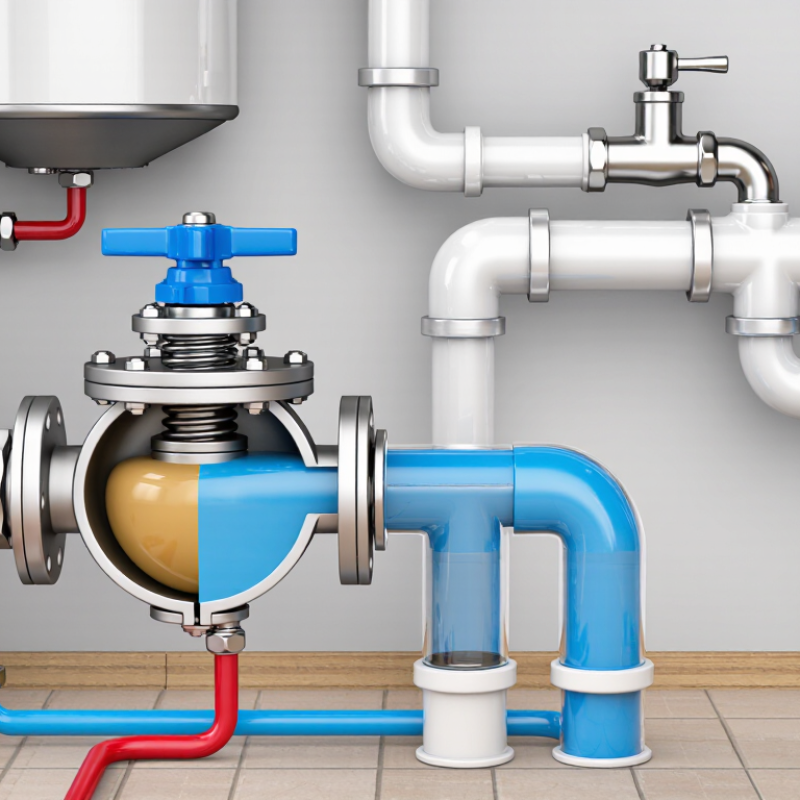
A backflow valve helps keep water moving in one direction: from the supply line toward a home, building, or irrigation system. If pressure drops in the main line, water downstream can try to flow backward. The valve’s internal parts respond to that change and close the passage. Simple idea. Important job. This can reduce the chance that water exposed to fertilizers, cleaning chemicals, or stagnant pipes enters a drinking-water line.

The exact mechanism depends on the device. Some use spring-loaded checks that close when flow reverses; other backflow-prevention assemblies use several checks and pressure zones. A plumber selects the right arrangement for the connection and its level of risk. You may hear a brief click as a check closes, but unusual leaks or pressure changes deserve attention. A valve is not a set-and-forget safeguard. Wear, debris, or a damaged seal can affect how it works, so testing and maintenance should follow the device instructions and local water-system requirements. I used to think any one-way valve offered the same protection; that’s not quite right. The right device matters, and so does checking that it still closes properly.

How a Backflow Valve Protects Water Quality

Clean water can be put at risk when pressure in a plumbing system changes direction. A hose left under water in a bucket is a simple example. If supply pressure drops, contaminated water may be drawn back into the pipe. Irrigation lines can pose a similar concern when water contacts soil or treatment products. Small opening, serious consequence.

A backflow valve, or a suitable backflow prevention assembly, allows water to move toward its intended destination while resisting reverse flow. It helps separate drinking water from possible contaminants. The right device depends on pressure conditions, plumbing layout, and local requirements; one type does not fit every connection. That detail is easy to overlook.

Installation matters, but protection is not “fit it and forget it.” Seals and moving parts can wear, and some assemblies need periodic testing by a qualified professional. A test may reveal a valve that looks normal but no longer closes reliably. It is tempting to treat a valve as a complete safeguard, but that assumption deserves a second look. Safe plumbing design and maintenance still matter, especially around hose connections, irrigation feeds, and equipment.

Where Backflow Valves Are Commonly Installed

Why Do You Need a Backflow Valve?
Where Backflow Valves Are Commonly Installed

Backflow protection is often installed where a water supply connects to equipment or piping that could contaminate it. At a building’s main service entrance, a plumber may place a backflow preventer to protect the public supply. The exact location depends on the plumbing layout and local requirements. Not every building needs the same device.

Irrigation systems are a common example. Fertilizer or soil can enter sprinkler lines, so protection is typically fitted near the irrigation connection, where it remains accessible for testing. You may also find backflow preventers on boiler makeup lines, fire sprinkler connections, and water lines serving commercial kitchens. These systems have different pressure and hazard conditions, so a suitable device must be selected for the specific connection.

Access matters. A device buried behind storage or hidden in a sealed cabinet is harder to inspect and maintain. Leave room around test ports, and consider drainage if the unit releases water during testing. That detail is easy to miss. Placement can look inconvenient, but moving a device without checking the system may reduce protection. A qualified plumbing professional can assess the connection and confirm the installation meets applicable requirements.

Why Do You Need a Backflow Valve?

Backflow protection helps keep contaminated water from flowing into the clean water supply when pressure changes. It is commonly used on irrigation systems, fire sprinkler connections, boiler lines, commercial kitchen equipment, and hose bibbs. The appropriate device depends on the hazard and local plumbing requirements.

Air-Gap Separation: Minimum Distance by Opening Diameter

The chart applies the common plumbing-code rule that an air gap is at least twice the effective opening diameter, and never less than 1 inch. This is one method of preventing backflow; required protection and installation details vary by application and local code.

How to Choose and Maintain a Backflow Valve

Choosing a backflow valve starts with the hazard, not the pipe size alone. Identify the fluid, operating pressure, and possible cross-connections, then match the assembly to those conditions and local requirements. AWWA’s M14 guidance and ASSE 1013 provide useful technical references for selecting and testing assemblies. Ask a qualified plumbing professional to verify the design and installation; a valve fitted backward or placed where it cannot be tested is little protection. Small details matter.

Maintenance should include checking for leaks, damage, blocked drains, and signs of freezing. Many local programs require annual testing, but schedules vary, so confirm the rule with your water provider. Keep test records and arrange repairs when results fail.

The U.S. EPA’s 2023 Drinking Water Infrastructure Needs Survey and Assessment estimates $625 billion in drinking-water infrastructure needs over 20 years. That figure covers broad system needs, not backflow valves specifically, but it underlines why small protective components deserve routine attention.

One weak spot in maintenance plans is assuming a quiet valve is a healthy valve. It may look fine and still fail a test.