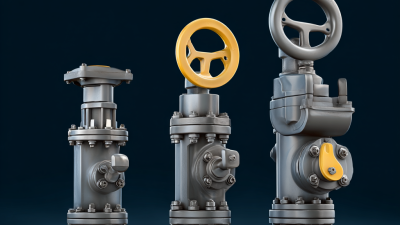
Why Choose a Swing Check Valve for Your Piping System?
The choice of a swing check valve can significantly impact your piping system's efficiency. This critical component ensures unidirectional flow, preventing backflow. According to the latest industry report by the Valve Manufacturers Association, well-implemented check valves can improve system reliability by over 30%. Swing check valves are particularly favored in water and wastewater management due to their robust design and cost-effectiveness.
Renowned industry expert, Dr. James Hartwell, emphasizes the importance of this technology, stating, "A swing check valve is essential for maintaining system integrity and preventing costly downtime." In a market where quality and performance standards are rising, investing in a reliable swing check valve is imperative. However, not all swing check valves are created equal; selecting the wrong type can lead to inefficiencies and system failures.
Many engineers overlook factors like installation angle and pressure ratings. These can severely affect valve performance. As the industry continues to evolve, the importance of effective valve selection cannot be overstated. As we explore the advantages of swing check valves, it is vital to consider potential pitfalls in their application.
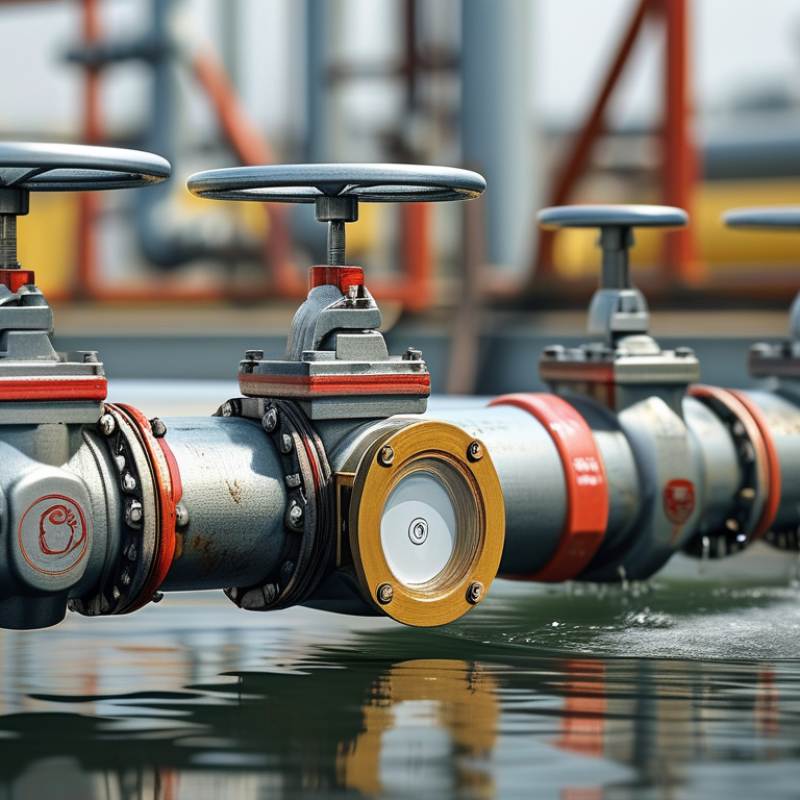
Understanding Swing Check Valves and Their Functionality
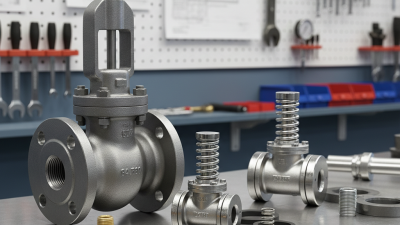
Swing check valves are essential components in piping systems, designed to prevent backflow. Their functionality relies on a swinging disc that allows flow in one direction while blocking reverse flow. According to a report by the American Society of Mechanical Engineers (ASME), improper installation or maintenance can lead to significant pressure drops and inefficiencies in the system. The swing check valve's simplicity allows for easy integration into existing systems, yet it demands careful consideration regarding placement and flow dynamics.
When it comes to materials, swing check valves are typically made from metals like stainless steel or ductile iron. These materials provide strength and durability but may not be appropriate for all media. A report from the Fluid Control Institute states that selecting the wrong material can lead to corrosion and early failure. This highlights the importance of understanding the specific conditions in which the valve will operate. Installation should be done by qualified personnel to avoid potential misalignments.
The swing check valve’s design also introduces challenges. For instance, in low-flow scenarios, the valve may fail to close completely, causing leaks. Engineers should account for these limitations when designing systems. Regular inspection and maintenance are crucial for ensuring longevity and reliable operation. This process highlights the swing check valve's role in maintaining system efficiency and safety, underscoring its importance in various applications.
Advantages of Using Swing Check Valves in Piping Systems
Swing check valves are essential components in many piping systems. They provide an efficient way to prevent backflow, improving system reliability. The design allows for lighter pressure drop, which is beneficial for energy efficiency. These valves only open with forward flow, closing automatically when the flow reverses. This ensures that the system stays operational under various conditions.
When considering installation, proper placement is crucial. Misalignment can lead to unexpected failures, affecting overall system performance. Make sure to follow the manufacturer’s installation guidelines closely. Inspecting the valve regularly can help catch potential issues early. Routine maintenance ensures longevity and optimal operation.
It is also important to consider the operational environment. Swing check valves may not perform well in low flow situations. In those cases, other valve types might be more appropriate. Evaluate the system’s specific needs to make an informed choice. Understanding your requirements can lead to better efficiency and reliability in the long run.
Advantages of Using Swing Check Valves in Piping Systems
Common Applications for Swing Check Valves in Various Industries
Swing check valves are widely used across various industries due to their effective backflow prevention capabilities. In the water and wastewater sector, these valves ensure that contaminants do not flow back into clean water supplies. The American Water Works Association (AWWA) reports that improperly installed valves can lead to significant system inefficiencies, emphasizing the importance of proper selection.
In the oil and gas industry, swing check valves also play a crucial role. They provide reliable operation in high-pressure environments. According to a report by the International Energy Agency, the global oil demand is expected to reach 100 million barrels per day by 2025, making effective fluid control essential. Valves that fail can cause detrimental leaks, leading to environmental hazards. Regular inspection and maintenance are essential to avoid such issues.
Chemical processing often utilizes swing check valves for safe fluid transfer. Corrosive substances can damage inferior materials, thus requiring high-quality, resistant components. The Chemical Processing Industry’s Safety review states that using reliable valves can reduce operational risks. However, every valve can fail without warning, making continuous monitoring critical for safety and efficiency.
Key Factors to Consider When Selecting a Swing Check Valve
When selecting a swing check valve, several critical factors come into play. Firstly, the flow direction is essential. These valves allow fluid to flow in one direction, preventing backflow. However, improper installation may lead to inefficiencies. Industry reports show that over 20% of piping system failures stem from misaligned components. Thus, ensuring correct orientation during installation is vital.
Material choice plays a pivotal role too. Common materials include stainless steel and ductile iron, each offering different characteristics. Stainless steel provides excellent corrosion resistance, while ductile iron has strength and longevity. According to a recent analysis, roughly 30% of failures in valves are linked to material deficiencies. Understanding the environmental conditions of the system can significantly impact the performance of the valve.
Pressure rating is another crucial aspect. The valve must withstand the operating pressure of your system. Selecting a valve that does not meet pressure requirements can lead to catastrophic failures. Studies indicate that improper pressure ratings account for nearly 25% of system breakdowns. Thus, it's essential to always verify maximum allowable pressure before installation. Each detail matters in ensuring the long-term reliability of your piping system.
Maintenance Tips for Ensuring Optimal Performance of Swing Check Valves
Swing check valves are essential for effective piping systems. To ensure optimal performance, regular maintenance is crucial. Inspect the valve regularly for any signs of wear or damage. Look for corrosion, cracks, or debris that could impede functionality. Regular checks help prevent larger issues down the line.
Lubrication is vital for maintaining smooth operation. Use the right lubricant as per industry standards. Apply it in areas prone to friction. This small step can significantly enhance efficiency. Additionally, keep the valve clean. Accumulated dirt can lead to malfunction. Cleaning might seem tedious, but it pays off in the long run.
However, even with diligent maintenance, issues may arise. A swing check valve might not close properly due to sediment buildup. Or it may leak if seals deteriorate. These problems highlight the importance of regular assessments. A proactive approach can save time and money.
Why Choose a Swing Check Valve for Your Piping System? - Maintenance Tips for Ensuring Optimal Performance of Swing Check Valves
| Dimension |
Value |
| Material |
Stainless Steel |
| Size |
2 inches |
| Pressure Rating |
150 PSI |
| Temperature Range |
-10°C to 120°C |
| Testing Standards |
API 598 |
| Maintenance Frequency |
Every 6 months |
| Common Issues |
Leaking, Jamming |
| Recommended Lubricant |
Food-Grade Grease |
| Installation Position |
Vertical or Horizontal |

 More
More