China Top 10 Check Valve Manufacturers for Global Buyers
Choosing a reliable check valve manufacturer can determine whether a pipeline runs smoothly or suffers repeated failures. Global buyers often compare more than price. They examine pressure ratings, body materials, sealing performance, inspection records, delivery capacity, and technical support.
Valve engineer and author Philip L. Skousen explains the basic function clearly: “A check valve permits flow in one direction and prevents flow in the opposite direction.” This simple principle becomes complex in refineries, water plants, power stations, and chemical facilities. A poorly selected valve may slam shut, create water hammer, or leak after only a short service period. Small details matter.
This guide introduces China’s top 10 check valve manufacturers for international buyers. It considers product range, manufacturing experience, quality systems, customization ability, export performance, and after-sales response. The review also looks at wafer, swing, lift, dual-plate, and axial-flow designs. Not every manufacturer suits every project. That is worth remembering.
Some buyers focus too heavily on catalog prices. That approach can fail. A lower purchase cost may hide longer testing times, uncertain documentation, or difficult spare-parts support. Real project conditions are messier than product brochures suggest. Therefore, this overview aims to provide practical direction, not an absolute ranking. Buyers should still verify certifications, test reports, material traceability, and application compatibility before placing an order.
Check Valve Types and Their Role in Global Fluid Control
China Top 10 Check Valve Manufacturers for Global Buyers
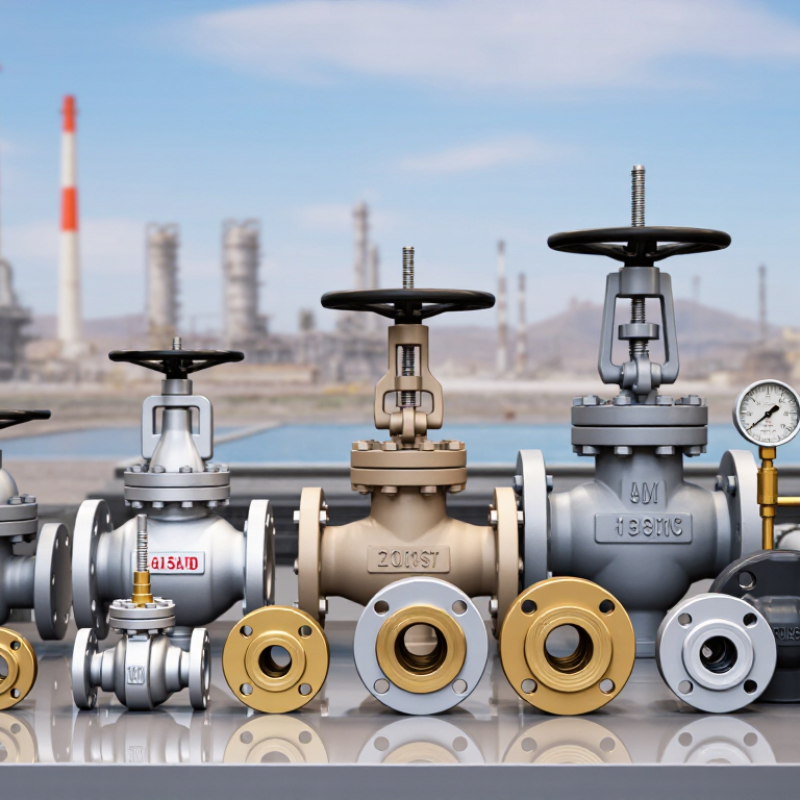
Check valves control fluid direction without external power. They prevent reverse flow, pump damage, and pressure instability. Common designs include swing, lift, wafer, dual-plate, and piston check valves. Each responds differently to flow speed, installation angle, and water hammer risk. Grand View Research estimated the global industrial valves market at over USD 78 billion in 2023. This scale reflects growing demand for reliable fluid control across energy, water, chemical, and process industries.
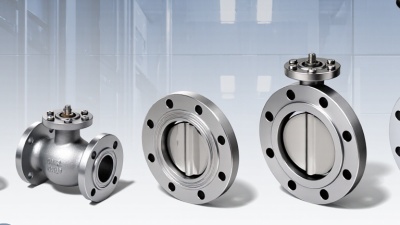
Swing check valves suit larger pipelines with moderate flow changes. Dual-plate designs save space and reduce closing distance. Lift and piston valves offer stronger sealing in higher-pressure services. Selection should follow pressure class, temperature, fluid cleanliness, and maintenance access. API 6D and ISO 5208 provide useful design and testing references. However, standards do not replace site judgment. A valve passing a factory test may still fail after poor alignment or incorrect gasket compression. Small details matter.
Tips: Ask for verified test records, material certificates, and leakage results. Compare the stated cracking pressure with your pump curve. Check whether the valve can close before reverse velocity becomes dangerous. Also inspect coating quality, bolt access, and spare-part availability. A lower purchase price can hide higher lifecycle costs. Review the datasheet twice. Mistakes happen.
How China’s Top 10 Check Valve Manufacturers Are Ranked
Ranking China’s top 10 check valve manufacturers requires more than comparing catalog sizes. Global buyers need evidence from factory floors, test benches, and delivered projects. We examine production experience, machining control, and documented inspection routines. A manufacturer with decades of operation may still fail if records are incomplete. That is an uncomfortable point. Annual output matters, but repeatable quality matters more. We review material traceability, pressure-testing methods, and dimensional reports for bodies, discs, seats, and springs. We also check whether engineers can explain water hammer, reverse flow, and temperature limits clearly. Practical knowledge is visible in details. Does each valve receive a legible test record? Can the factory reproduce the same result next month?
The ranking also weighs certifications, export history, and after-sales responsiveness. Certificates are useful, but they are not proof of every shipment. We compare certified scopes with actual products and request independent verification when possible. Supplier audits examine calibration dates, nonconforming-product controls, welding procedures, and packing protection. Buyer references can reveal late drawings, spare-part delays, or unclear warranty terms. We score these findings instead of trusting polished websites. Price receives limited weight because a cheap valve can create costly downtime. Still, our method has limits. Public data may be outdated, and sample inspections cannot represent every batch. We therefore favor transparent manufacturers that share test evidence, accept reasonable audits, and correct weaknesses openly. Rankings should change as performance changes, not become permanent labels.
Profiles of the Top 10 Chinese Check Valve Manufacturers
China’s top 10 check valve manufacturers serve oil and gas, water treatment, power, chemical, and marine projects. Their profiles differ more than many buyer lists suggest. Several specialize in wafer and dual-plate designs for compact pipelines. Others focus on swing, lift, piston, or axial-flow valves for demanding pressure cycles. Some maintain testing aligned with API 598, API 594, API 6D, ISO 5208, or ASME B16.34. These standards matter when backflow could damage pumps, compressors, or sterile processing lines.
According to Grand View Research, the global industrial valves market was valued at approximately USD 78 billion in 2023. This growth increases demand for traceable Chinese production. Among the ten profiles, stronger factories usually provide heat-number records, pressure-test videos, material certificates, and dimensional inspection reports. Their workshops may include CNC machining, automated welding, and helium or hydrostatic testing. Yet capability is not uniform. A supplier may produce excellent stainless-steel valves but lack reliable low-temperature testing. That weakness is easy to miss in a polished catalogue. My practical review experience suggests that factory audits reveal more than product photographs.
Tips:
Request three recent inspection records. Check sealing performance after repeated cycles. Confirm the actual test medium and temperature. Ask whether replacement parts remain available for ten years. Do not judge a manufacturer only by export volume. A smaller plant may offer better engineering support, but its documentation can be less consistent. That deserves careful review.
Product, Certification, Quality, and Export Capability Comparison
China’s top 10 check valve manufacturers should be compared by evidence, not catalog size. Grand View Research valued the global industrial valves market at about US$77.4 billion in 2023. This scale increases pressure on delivery, testing, and traceability. For each supplier, buyers should inspect swing, lift, wafer, and dual-plate valve designs. Material options should include stainless steel, carbon steel, and corrosion-resistant alloys. Actual quality depends on pressure ratings, sealing performance, and service temperature. Small details matter.
Certification needs careful checking. API 6D supports pipeline valve requirements, while ISO 5208 defines pressure-testing procedures. ASME B16.34 helps verify pressure-temperature design expectations. ISO 9001 certification indicates a quality system, but it does not guarantee zero defects. A certificate number, issuing body, scope, and expiry date should match the factory’s legal entity. The 2023 ISO Survey reported more than 1.5 million valid ISO 9001 certificates worldwide, so certification alone is not a strong differentiator. It is only one checkpoint.
Export capability should include recent shipment records, multilingual documents, spare-part planning, and stable packaging. UN Comtrade data for HS 8481 shows global valve trade exceeding US$50 billion in recent years. Buyers should request hydrostatic test reports, material certificates, coating records, and third-party inspection options. A factory may promise fast delivery, yet raw-material shortages can change the schedule. Our comparison method is useful, but not flawless. Factory audits still reveal what spreadsheets miss.
How Global Buyers Should Select and Source a Chinese Manufacturer
Choosing a Chinese check valve manufacturer requires more than comparing prices. Global buyers should verify production experience, engineering capability, and quality controls. A reliable supplier can explain flow direction, pressure ratings, sealing materials, and applicable standards clearly. Ask for drawings, material certificates, inspection records, and pressure-test results. A polished website proves little.
Request a sample or pilot order before approving large volumes. Check machining quality, casting surfaces, thread accuracy, and valve movement. Review how the manufacturer handles nonconforming parts. This reveals more than a sales presentation. Confirm traceability from raw material to final inspection. Also discuss packaging, lead times, spare parts, and technical support in writing. Small details can prevent costly delays.
Tips: Compare at least three factories, but do not choose by quotation alone. Arrange a video factory tour or an independent audit. Confirm standards for your destination market before production. Use clear purchase specifications, including size, pressure class, material, testing, labeling, and documents. Keep communication practical and recorded. Some buyers overlook after-sales response time. That can become the real cost. Recheck every assumption before signing.
China Top 10 Check Valve Manufacturers for Global Buyers
How Global Buyers Should Select and Source a Chinese Manufacturer
Global Buyer Evaluation Framework
This illustrative 100-point sourcing framework emphasizes product compliance, pressure and temperature suitability, material traceability, and complete testing documentation. Buyers should verify applicable standards such as API 594, API 598, ASME B16.34, EN 12334, and ISO 9001 certification directly with each manufacturer before placing an order.

 More