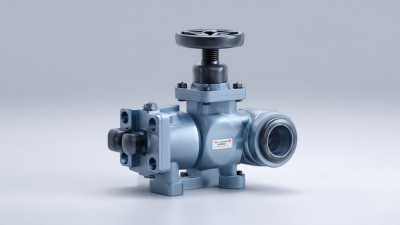
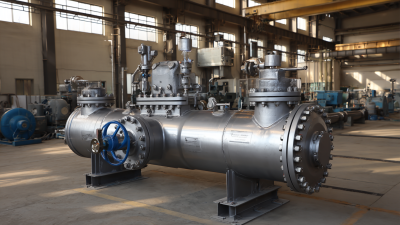
2026 Top Butterfly Check Valve Types for Global Buyers
Global buyers are reassessing valve choices as water treatment, power generation, chemical processing, and HVAC projects expand. A butterfly check valve can prevent reverse flow while using less installation space than many traditional valve designs. Its compact body, low weight, and relatively short face-to-face dimension matter in crowded pump rooms.
Industry research supports this broader demand. Grand View Research’s Industrial Valves Market Report identifies water infrastructure, energy, and process industries as major growth sectors through 2030. Fortune Business Insights also reports continued investment in industrial valve systems, driven by pipeline upgrades and stricter process reliability requirements. These reports describe the market direction, but they do not remove the need for product-level evaluation.
Details decide performance.
For global procurement teams, the right selection depends on pressure rating, media temperature, disc design, sealing material, flow direction, and installation position. A wafer model may reduce project cost, while a lug-style design can simplify maintenance in certain layouts. Rubber-lined seats suit many water applications, but aggressive chemicals may require PTFE, metal, or other engineered materials. Local service conditions must guide the decision.
This guide compares the leading 2026 butterfly check valve types, including wafer, lug, flanged, dual-plate, and resilient-seated designs. It considers inspection records, test documentation, lifecycle cost, and supplier experience rather than price alone. Some published market forecasts remain broad, and product classifications vary between manufacturers. That limitation deserves attention. Buyers should verify every claim against drawings, certificates, operating data, and actual site conditions before approving a purchase.
What Is a Butterfly Check Valve and How Does It Work?
2026 Top Butterfly Check Valve Types for Global Buyers
What Is a Butterfly Check Valve and How Does It Work?
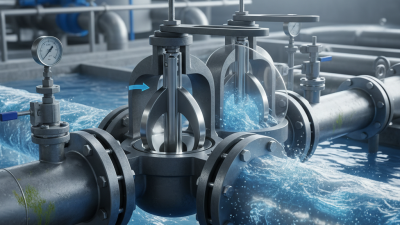
A butterfly check valve controls reverse flow without manual operation. Its disc moves on a shaft inside the pipeline. Forward pressure pushes the disc open. Reverse pressure drives it closed. This simple response protects pumps, filters, and storage tanks from damaging backflow.
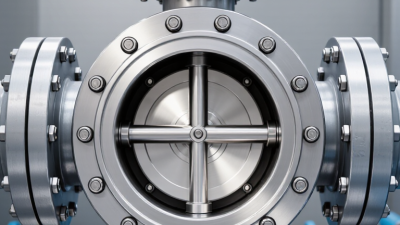
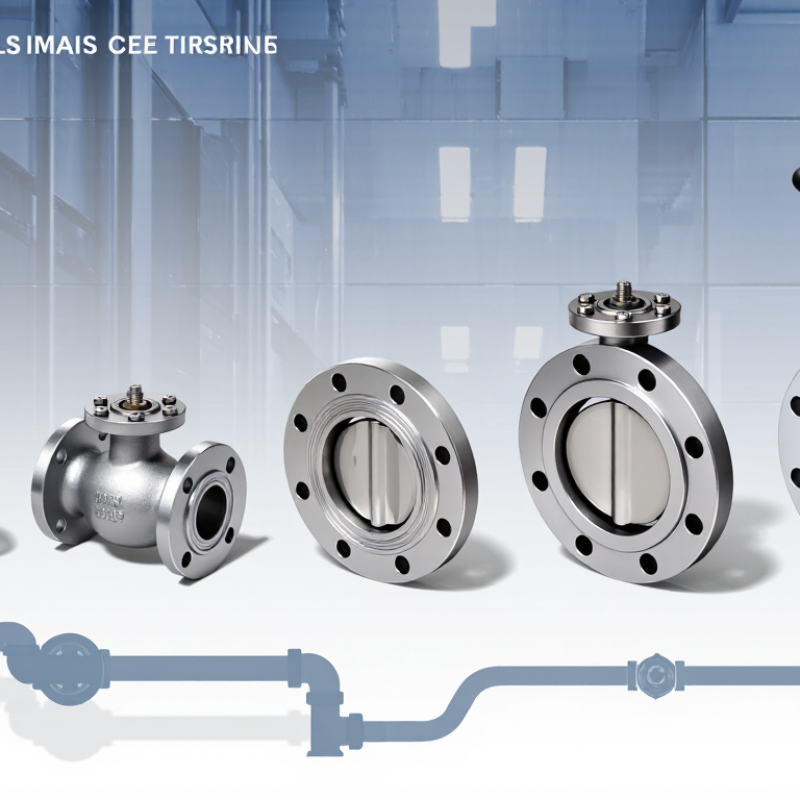
Common designs include wafer, lug, and flanged connections. Wafer models fit between pipe flanges and save installation space. Lug models support easier removal from one pipeline side. Flanged versions usually suit larger, heavier-duty systems. According to Grand View Research, the global industrial valves market reached about USD 78.7 billion in 2023. This figure reflects strong demand across water, energy, and process industries, but it does not measure butterfly check valves alone.
Tips: Check the medium, pressure, temperature, and flow direction before selection. A rubber-lined seat may reduce leakage, while a metal seat can tolerate harsher service. Verify face-to-face dimensions against ISO 5752 or EN 558. Also inspect closing speed. A valve that shuts too quickly may create water hammer. One that closes slowly may allow unwanted reverse flow. Field experience matters here; catalog data alone can miss vibration, pipe layout, or an imperfect installation.
Key Materials, Standards, and Performance Specifications
For global buyers, butterfly check valves should be selected by service conditions, not catalogue price. Ductile iron suits treated water and moderate pressure. Carbon steel handles tougher industrial duty. Stainless steel is safer for corrosive fluids, although chloride exposure still needs careful review. For seats, EPDM supports water service, while PTFE tolerates many chemicals and higher temperatures. No material is universally best.
The 2024 Industrial Valves Market analysis by Grand View Research identifies water and wastewater as a major demand segment, reflecting continued infrastructure investment. Buyers should verify API 609 or EN 593 design requirements, then confirm ISO 5208 leakage testing and ISO 5752 face-to-face dimensions. These details prevent a costly mismatch during installation. A valve that fits the pipe may still fail the pressure class.
Performance data deserves closer attention. Compare allowable pressure, temperature range, flow coefficient, closing speed, disc torque, and reverse-flow leakage. In vertical pipelines, gravity-assisted closure can reduce water hammer, but it may also create unstable operation at low flow. I have seen specifications focus heavily on body material while ignoring seat wear and actuator sizing. That is an avoidable weakness. Recent valve market forecasts commonly estimate global growth near 4% annually through the decade, according to industry research reviews published in 2024. The figure varies by methodology, so procurement teams should treat it as directional, not exact.
2026 Top Butterfly Check Valve Types for Global Buyers
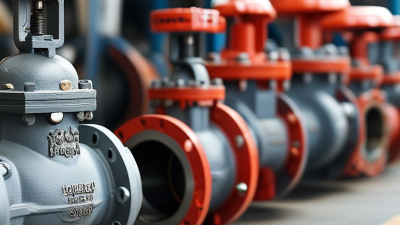
Common butterfly check valve configurations include wafer, lug, and flanged designs. Typical body materials are ductile iron, carbon steel, and stainless steel, while disc and seat selections depend on corrosion resistance, temperature, and fluid compatibility. The chart compares commonly specified EN nominal pressure designations.
EN 1092 nominal pressure designations indicate pressure classes in bar, such as PN10, PN16, PN25, and PN40. Actual allowable working pressure depends on valve design, body and liner materials, temperature, flange configuration, and the applicable product standard. API 594 is widely referenced for check valve design requirements, while EN 12334 covers industrial cast iron check valves.
How to Select the Right Butterfly Check Valve for Each Application
2026 Top Butterfly Check Valve Types for Global Buyers
Selecting the right butterfly check valve starts with the pipeline, not the catalog. Wafer designs suit compact systems between flanges. Lug designs help with sectional maintenance and one-side isolation. Flanged versions provide stronger connection support for larger lines or higher loads. The correct type depends on pressure, temperature, media, and available space.
Check the flow direction carefully. A valve needs enough velocity to open reliably, but excessive velocity can create noise and disc impact. Low-cracking-pressure models work well with pumps, low-pressure water lines, and intermittent flow. For wastewater or process fluids, consider a resilient seat and corrosion-resistant disc. Abrasive media may require stronger internal materials. Material compatibility matters more than appearance.
Measure the pipe’s internal diameter and operating pressure before sizing. An oversized valve may close slowly and encourage reverse flow. An undersized valve can increase pressure loss. Field inspections often find that installation orientation was treated as an afterthought. It should not be. Follow the manufacturer’s permitted position and leave room for inspection.
Small details matter. Flange alignment prevents uneven loading on the body. A nearby pump may need a stabilizing spool or flow-control arrangement. Temperature changes can also alter seat performance. A perfect choice on paper can still fail during startup. Recheck actual operating conditions, including dirty fluid, pressure surges, and seasonal temperature changes. That extra review is sometimes missed.


 More
More