Top 10 Benefits of Using Swing Check Valves for Your Projects?
In various engineering projects, selecting the right components is crucial. One such component that often stands out is the swing check valve. These valves play a vital role in preventing backflow in piping systems. Recognizing their importance is the first step towards efficient project management.
Swing check valves are favored in different applications due to their simple design and functionality. They allow fluid to flow in one direction while automatically shutting when flow reverses. This feature reduces the risk of damage to equipment. Moreover, their lightweight construction makes installation relatively easy, saving time and resources.
However, not every project may benefit from swing check valves. Choosing the wrong valve could lead to inefficiencies or failure. It's essential to evaluate the specific needs of your project. Ultimately, understanding how swing check valves fit into your overall design ensures better performance and reliability in your systems.
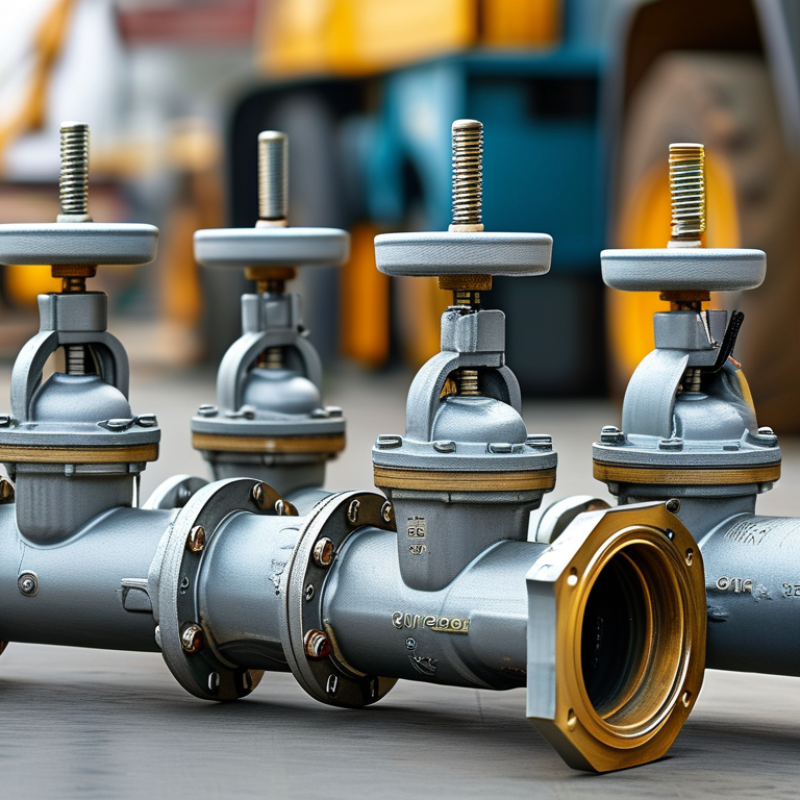
Top 10 Benefits of Using Swing Check Valves for Your Projects
When it comes to fluid control systems, swing check valves offer significant advantages. These valves are designed to allow fluid to flow in one direction, preventing backflow. This feature plays an essential role in maintaining system efficiency and safety.
According to a recent industry report, swing check valves can reduce maintenance costs by up to 30%. This is because they have fewer moving parts compared to other valve types. With fewer components, there's less wear and tear. This leads to lower replacement costs and less downtime in projects.
Tips: Always consider your system's pressure and temperature ratings before selecting a swing check valve. Proper selection ensures the longevity and effectiveness of your valves.
Additionally, swing check valves are easier to install and operate. Their simple design means they can fit into various spaces without extensive modifications. However, issues can arise if these valves are not positioned correctly. Misalignment can lead to inefficiencies and even failure.
Investing in quality swing check valves is crucial. A comprehensive study showed that using reliable models could improve the overall system performance by 20%. This makes them an appealing option for engineers looking to enhance project outcomes.
Tips: Periodic inspections can catch potential issues early. Maintaining valves helps to avoid costly repairs and ensures smooth operation.
Understanding the Mechanism of Swing Check Valves in Fluid Systems
Swing check valves play a crucial role in fluid systems due to their unique mechanism. Designed with a hinged disc, these valves allow fluid to flow in one direction while preventing backflow. This functionality is essential for maintaining system integrity. When fluid pressure is present, the disc opens easily. If the pressure drops, the disc swings back, sealing the line effectively.
Understanding the mechanics behind swing check valves reveals their reliability in various applications. The simplicity of the design minimizes failure points, making them a favored choice among engineers. The valve’s materials, often durable metals or robust plastics, contribute to their longevity. However, improper installation or poor maintenance can hinder performance. Regular inspections are vital to ensure they operate smoothly.
While swing check valves are reliable, they do have limitations. They may not perform well in low-flow conditions, leading to potential leaks. Engineers must consider these factors when designing fluid systems. Awareness of the environment and application is crucial for optimal performance. The more informed a designer is, the better the valve selection will be.
Top 10 Benefits of Using Swing Check Valves
Enhanced Flow Efficiency: The Role of Swing Check Valves in Reducing Pressure Loss
Swing check valves play a crucial role in many projects, particularly regarding flow efficiency. These valves prevent backflow in piping systems, which can cause damage and inefficiencies. By allowing fluid to flow in one direction, they minimize pressure loss. This efficiency is vital for maintaining optimal system performance.
When installed properly, swing check valves can greatly enhance the effectiveness of a fluid system. They help maintain the desired flow rate while preventing backpressure. This reduces energy costs and prolongs equipment lifespan. However, users should consider factors like fluid characteristics and installation orientation. An improper setup might lead to unexpected problems, such as increased wear on components.
The importance of selecting the right swing check valve cannot be overlooked. A poorly chosen valve can lead to operational issues or diminished performance. It's essential to evaluate the specific needs of your project. This ensures that the valve's specifications align with system demands. Observing industry standards can guide effective choices, but always be ready to reassess your needs over time.
Durability Insights: Material Choices and Lifespan of Swing Check Valves
Swing check valves offer remarkable durability, particularly influenced by the material choices. Common materials include brass, stainless steel, and PVC. Each option has specific pros and cons. For instance, stainless steel is highly resistant to corrosion, which is vital in demanding environments. Reports indicate that stainless swing check valves can last over 20 years with proper maintenance. Brass valves, while typically more affordable, may have a shorter lifespan, often around 10 to 15 years under similar conditions.
The lifespan of a swing check valve is also affected by operational pressure and temperature. According to industry studies, valves exposed to extreme temperatures suffer a decline in performance and reliability. Regular inspections can identify wear points early. Moreover, choosing the right material based on the environment ensures operational efficiency. It’s crucial to balance cost with expected longevity, as cheaper options might lead to unexpected downtime. Every project requires careful consideration of these factors to maximize the valve's performance and ensure safety.
Application Versatility: Industries Relying on Swing Check Valves for Reliability
Swing check valves play a crucial role across various industries, ensuring reliable flow control. They are widely used in water treatment, chemical processing, and oil and gas sectors. A report by the National Association of Corrosion Engineers states that nearly 40% of industrial valve failures relate to improper flow direction. This highlights the importance of swing check valves in preventing backflow and maintaining system integrity.
In the water treatment industry, swing check valves are essential for protecting pumps and reducing maintenance costs. According to the Water Environment Federation, proper valve selection can lower maintenance expenses by up to 20%. Similarly, in the oil and gas sector, these valves help maintain safety and efficiency. The American Petroleum Institute emphasizes that reliable check valves contribute significantly to reducing leak risks in pipelines.
However, not all applications are suited for swing check valves. They can be impacted by pulsating flow conditions and may require careful consideration in specific scenarios. Some engineers report challenges in installations where space is limited, making valve accessibility an issue. Despite these concerns, the versatility of swing check valves continues to make them a preferred choice for many industries seeking reliability and efficiency.
Conclusion
Swing check valves are essential components in various fluid systems, offering numerous benefits that can enhance project efficiency and reliability. Understanding their mechanism reveals how they prevent backflow, thereby maintaining smooth fluid movement. These valves are designed to improve flow efficiency by reducing pressure loss, which can significantly affect system performance.
Moreover, swing check valves are known for their durability, with material choices directly impacting their lifespan and effectiveness. Their application versatility spans multiple industries, making them a reliable choice for diverse projects. Additionally, the use of swing check valves can lead to long-term cost savings, as they require minimal maintenance and operational costs. Overall, incorporating swing check valves into projects promotes efficiency, reliability, and cost-effectiveness.

 More
More