5 Tips for UL Listed Three Phase Pad Mounted Transformers
A pad-mounted transformer may look like a quiet green cabinet, but its selection affects capacity, safety, and project schedules. The U.S. Department of Energy’s February 2024 Electric Grid Supply Chain Review reported that distribution-transformer lead times had risen from roughly 3–6 weeks in 2019 to 12–30 weeks in 2023. That pressure makes early specification more than paperwork. It can help prevent costly delays.
This guide offers five practical checks for choosing an Ul Listed Three Phase Pad Mounted Transformer For Commercial applications. Start with the load, voltage, kVA rating, impedance, and site conditions. Then verify the exact transformer model and configuration through the manufacturer’s certification records or UL Solutions’ certification directory. A UL mark is useful evidence, not a substitute for confirming that the listed product matches the project requirements. Small details matter. So do enclosure access, grounding, clearances, and the utility’s connection requirements.
IEEE C57.12.34 provides a recognized reference for three-phase, compartmental-type, pad-mounted distribution transformers. Still, a standard alone cannot resolve every site-specific question. Confirm applicable specifications with the engineer, utility, and supplier before ordering. A datasheet can look complete while leaving an important detail unclear. That deserves a second look. These tips focus on practical checks that support informed purchasing, safer installation planning, and fewer surprises when the cabinet arrives.
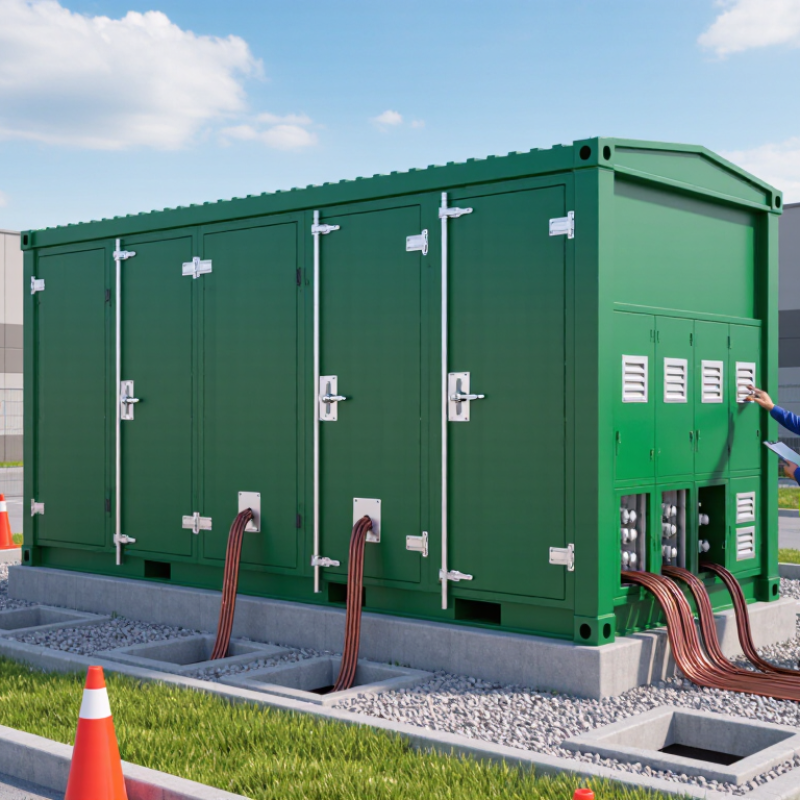
Understand UL Listing and Applicable Safety Standards
A UL Listing means the transformer’s evaluated design met defined safety requirements, but it applies to a specific product configuration. Check the nameplate, model details, voltage, insulation class, and enclosure options against the listing documents. A familiar label is not enough. Component recognition alone does not establish that the complete transformer assembly is listed. Small differences in accessories or ratings can matter.
Applicable requirements depend on the transformer type, installation, and local authority. UL safety standards address product construction and testing; relevant electrical codes and ANSI/IEEE standards may also govern installation and performance.
A listing does not replace site-specific review. Confirm the exact standards and certification scope with the supplier and the local electrical inspector before specifying or installing equipment.
Paperwork can feel repetitive, and it is easy to skim it. Don’t. Compare the documents with the actual unit, especially when options have changed.
Match Voltage, Capacity, and Configuration to the Application
A three-phase pad-mounted transformer should match the actual service, not just the project’s headline load. Confirm the primary voltage, secondary voltage, frequency, and available utility connection before choosing a rating. Then check whether the required connection is delta or grounded wye. A mismatch can complicate protection and equipment compatibility. The nameplate matters.
Size capacity from measured or documented demand, including motor starting, expected growth, and load diversity. A transformer selected too close to peak demand may run hot as loads increase; oversizing can add cost and leave the unit lightly loaded. The U.S. Department of Energy’s 2024 distribution-transformer standards analysis estimates cumulative energy savings of about 10.9 quadrillion Btu over 30 years. That figure highlights why efficiency deserves attention alongside kVA—not as a substitute for correct sizing.
Configuration affects installation, too. Verify enclosure access, cable entry, clearances, grounding, and whether the site needs loop-feed or radial-feed operation. For example, a facility with underground utility cables and limited service space may need a different arrangement than an open industrial yard. Review the one-line diagram and actual load data with the utility and qualified electrical designer. Field conditions can be messy; a clean spreadsheet does not capture every future load or site constraint. Check that the specified unit’s UL listing covers the intended equipment and application.
Verify Enclosure, Cooling, and Environmental Requirements
5 Tips for UL Listed Three Phase Pad Mounted Transformers
Verify Enclosure, Cooling, and Environmental Requirements
Before approving a pad-mounted transformer, match its enclosure to the actual site. Check water exposure, dust, salt spray, flooding risk, and access for maintenance. A rain-resistant enclosure is not automatically suitable for standing water or corrosive air. Confirm the specified enclosure rating and construction against the project documents, then inspect doors, hinges, gaskets, and cable-entry points. Small details matter. A loose gasket can undermine an otherwise sound installation.
Cooling needs the same site-specific review. IEEE C57.12.00 gives a standard service condition of 30°C maximum average ambient temperature over 24 hours, with a 40°C maximum ambient temperature. If the unit will sit in direct sun or near a wall that traps heat, ask the supplier to confirm its rating for those conditions. Do not assume the nameplate alone answers every installation question. DOE’s 2013 distribution-transformer standards analysis estimated about 3.6 quadrillion Btu in energy savings over 30 years; efficient operation depends partly on avoiding excess heat and losses.
Check the cooling method, fluid requirements, clearance, and ventilation path against the approved submittal. Keep shrubs, snow storage, and parked vehicles away from airflow and service access. Review expected temperatures and site drainage with the installer, too. Paper checks help, but they can miss a blocked louver or a low spot that collects water. I would verify those conditions in the field before energizing.
Plan Site Preparation, Clearances, and Qualified Installation
Tip 1: Prepare the pad and access route before delivery. Confirm the foundation is level, stable, and sized for the transformer’s approved drawings. Check soil drainage after rain; standing water can complicate access and maintenance. Keep the route clear for lifting equipment. Small details matter.
Tip 2: Set clearances using the equipment instructions and local utility requirements. Leave working space around doors, cable compartments, and ventilation areas. Measure nearby walls, fences, parked vehicles, and landscaping—not just the empty pad. A hedge can grow into the service area. Recheck the layout before concrete work begins.
Tip 3: Use qualified electrical professionals for placement, connections, grounding, and inspection. A UL listing applies to the evaluated equipment; it does not replace correct site installation. Verify cable entry plans, protective equipment, and grounding details against the approved documents. Then inspect access and labels before energizing. One detail may be missed. I would also photograph the finished clearances, since memory is a poor maintenance record.
Inspect Components and Maintain the Transformer Regularly
A UL-listed three-phase pad-mounted transformer still needs routine attention after installation. Walk around the enclosure and look for dents, rust, damaged paint, loose hardware, or signs of water entry. Check that doors close properly and locks remain intact. Small details matter. Never open an energized compartment; arrange inspections through qualified personnel using site procedures.
Have a qualified technician inspect bushings, cable terminations, grounding connections, and protective devices at the intervals recommended by the manufacturer and site plan. Look for cracked insulation, unusual discoloration, corrosion, or traces of oil. Keep vents and cooling surfaces clear of leaves, dust, and grass. Note unusual humming or a new hot-oil odor, then report it promptly rather than guessing at the cause. Record dates, readings, repairs, and recurring issues. A checklist can feel repetitive, and it may miss something if rushed. Reviewing the records honestly helps teams adjust their maintenance routine before small changes become larger problems.
5 Tips for UL Listed Three-Phase Pad-Mounted Transformers
Suggested routine inspection intervals for key components
Use these intervals as a planning example, not a universal requirement. Follow the transformer manufacturer’s instructions and applicable regulations; site conditions may require more frequent checks. Keep visual inspections at a safe distance, and have qualified personnel perform hands-on work only after proper de-energization.

 More