Top 10 Benefits of Injection Molding for Global Buyers?
Injection Molding has transformed manufacturing across various industries. This innovative process allows for the efficient production of complex shapes with high precision. According to a report by Smithers Pira, the global injection molding market was valued at over $200 billion in 2022, demonstrating its immense economic significance.
Expert John Davis, a well-respected figure in the injection molding sector, emphasizes its benefits: "Injection Molding not only enhances production speed but also significantly reduces material waste." This reflects a core advantage, as advanced technologies now enable high-volume production with minimal defects. The consistent demand from diverse sectors, including automotive and consumer goods, further underscores its vital role.
While the advantages are clear, challenges remain. The initial setup costs can be high, and achieving consistent quality requires expertise. Ultimately, understanding both sides is crucial for global buyers seeking to leverage the benefits of Injection Molding while being mindful of its complexities.
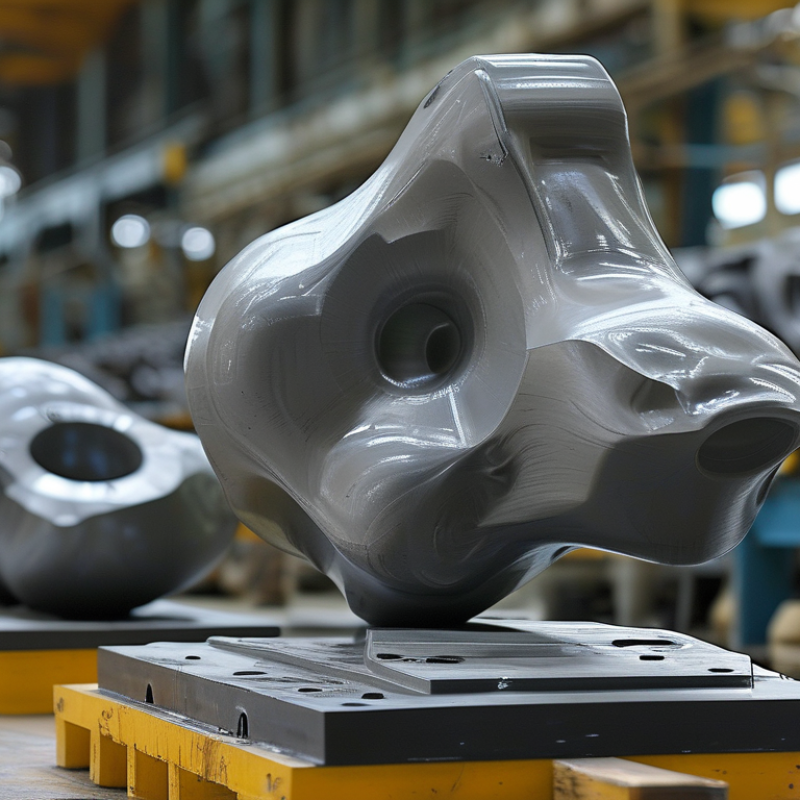
Benefits of Injection Molding: An Overview for Global Buyers
Injection molding offers significant advantages for global buyers looking to streamline their production processes. This manufacturing technique allows for high precision and complex designs, which can enhance product functionality. Manufacturers can create a diverse range of products, from small components to large parts, efficiently. The ability to produce high volumes with consistent quality makes it a reliable choice for many industries.
Cost efficiency is another notable benefit. While the initial investment for molds can be high, the long-term savings are substantial. Mass production lowers the per-unit cost, making it economically beneficial for high-demand items. Moreover, the speed of the injection molding process ensures quick turnaround times, thus enhancing a buyer’s ability to meet market demands. However, it's important to consider the potential for initial design flaws, which can lead to higher costs if not addressed early.
Quality control is essential in injection molding. Even minor deviations in the mold can affect the final product. Buyers must engage with experienced manufacturers to minimize risks. Continuous monitoring during production can help maintain the expected quality. Ensuring that the right materials are used also plays a crucial role in the durability and performance of the final products.
Cost Efficiency: Achieving High Production Rates with Lower Costs
Injection molding is a game changer for global buyers seeking cost efficiency in manufacturing. This process allows for high-volume production, significantly reducing the per-unit cost. Manufacturers can produce thousands of identical parts in a single run, which minimizes labor and machine setup costs. The high-speed operation of injection molding leads to remarkable production rates, providing a competitive edge in various industries.
However, the initial investment in molds can be daunting. While it pays off in the long run, buyers must carefully assess their production needs. Molds wear out over time, necessitating replacements that impact costs. It's crucial to find a balance between quality and affordability. As production scales up, the ability to maintain uniformity and precision is pivotal. Issues may arise regarding material types or design complexities, prompting continuous learning and adaptation in the manufacturing process. A thoughtful approach to these challenges enhances overall efficiency.
Material Versatility: Utilizing a Wide Range of Plastics and Composites
Injection molding is a powerful manufacturing process known for its material versatility. It allows the use of a wide range of plastics and composites, catering to diverse industries. According to a report by the Plastics Industry Association, over 60% of products using injection molding incorporate thermoplastics. Materials like ABS, polycarbonate, and PEEK are just a few examples of what's available. Each material brings unique properties, making them suitable for different applications.
However, material selection can be complex. Not all materials behave the same under heat and pressure. For instance, some composites may require specific processing conditions. This means buyers must consider both material qualities and process capabilities. It’s essential to work with specialists who understand these nuances. This ensures the right choices are made for each project.
Tip: Always test materials in small batches before large-scale production. This helps in identifying any potential issues. Also, consult with material suppliers for guidance on compatibility and application.
When dealing with material versatility, it’s crucial to stay updated. The industry evolves, with new composites emerging regularly. Buyers should continuously research to find materials that might enhance product features or reduce costs. Building a solid relationship with suppliers can provide access to the latest innovations.
Precision and Consistency: Meeting Tolerances in High-Volume Production
Injection molding stands out for its precision and consistency in high-volume production. According to a recent report by the American Society of Plastics Engineers, injection molding achieves tolerances as tight as ±0.005 inches. This level of accuracy is crucial for industries like automotive, electronics, and medical devices, where even minor deviations can lead to significant failures.
The process allows for complex geometries to be produced reliably. Advanced simulation techniques help manufacturers predict outcomes and ensure that parts meet stringent specifications. Studies show that nearly 80% of manufacturers report reduced waste when using injection molding, thanks to its repeatability. Despite these advantages, challenges remain. Variability in raw materials can lead to inconsistent results. Ensuring a reliable supply chain and quality assurance processes is essential for maintaining standards.
Moreover, the initial setup costs can be high. Creating molds requires time and resources, creating a barrier for small-scale production runs. However, many companies find that the long-term savings outweigh the initial investment due to lower per-unit costs in mass production. This balance of upfront costs and long-term gains requires careful consideration by global buyers.
Top 10 Benefits of Injection Molding for Global Buyers
Sustainability in Manufacturing: Reducing Waste and Energy Consumption
Injection molding has transformed manufacturing, focusing on sustainability. This method significantly cuts down on waste. Reports indicate that it can reduce scrap material by up to 90%. Unlike traditional machining, where excess material is often discarded, injection molding uses precise measurements. This precision not only conserves resources but also lowers overall production costs.
Energy consumption is another crucial aspect. Research by the Energy Department highlights that modern injection molding techniques can reduce energy usage by 30-50% compared to older processes. Innovative technologies, such as energy-efficient heating systems and optimized cycle times, further enhance these savings. However, not all manufacturers adopt these advanced methods. Many still rely on outdated practices, which can hinder sustainability efforts.
Investing in advanced machinery may seem costly upfront. Yet, the long-term benefits, such as lower utility bills and reduced waste, can outweigh these initial expenses. Buyers must consider these factors when choosing manufacturing strategies. Reflecting on how to balance cost and sustainability is essential for the industry’s future. Ensuring we prioritize eco-friendly practices now can lead to significant leaps in reducing our environmental footprint.
Conclusion
Injection molding is a widely adopted manufacturing process that offers numerous advantages for global buyers. One of its main benefits is cost efficiency, as it allows for high production rates while significantly reducing costs. Additionally, injection molding boasts material versatility, enabling the use of a broad range of plastics and composites suitable for various applications. This method also ensures precision and consistency, consistently meeting tight tolerances in high-volume production.
Moreover, sustainability in manufacturing is enhanced through injection molding, as it reduces both waste and energy consumption, aligning with global efforts to promote environmentally friendly practices. Finally, the scalability of injection molding makes it an attractive option for adapting production to fluctuating market demands efficiently. Overall, injection molding stands out as a key solution for buyers looking to optimize their manufacturing processes while maintaining quality and sustainability.

 More
More