Essential Tips for Maintaining Wheel Hub Bearing Units?
Maintaining wheel hub bearing units is crucial for vehicle safety and performance. These components support the weight of the vehicle and enable smooth wheel rotation. Over time, wear and tear can lead to issues. Regular checks help to identify problems early.
It's important to know the signs of a failing wheel hub bearing unit. Unusual noises while driving can indicate a problem. Vibration in the steering wheel might also signal that something is wrong. Ignoring these signs can lead to more severe malfunctions.
Proper maintenance can enhance the lifespan of these units. Regular inspections are vital. However, many car owners overlook this. Simple steps, like keeping them clean, can make a difference. Do not underestimate the importance of maintaining your wheel hub bearing units.
Understanding Wheel Hub Bearing Units: An Overview of Their Functionality
Wheel hub bearing units play a crucial role in vehicle performance. These components maintain the connection between the wheels and the vehicle's frame. Their functionality allows for smooth rotation and stability. According to the Automotive Maintenance and Repair Association, a significant number of vehicle issues arise from worn wheel bearings. Regular inspection is vital to ensure safety on the road.
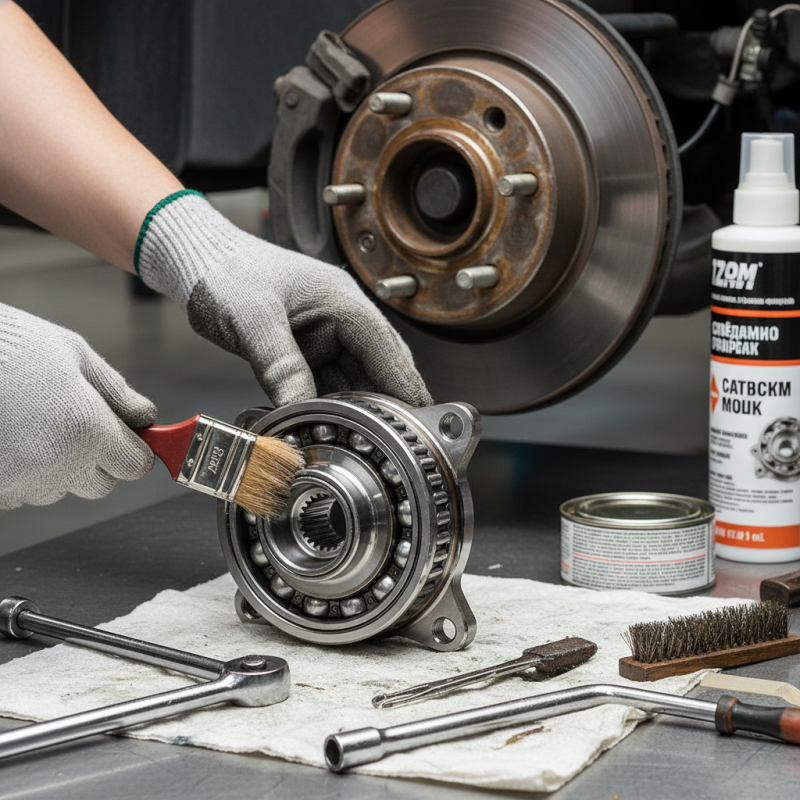
To maintain wheel hub bearings, it’s essential to keep them clean. Dust and debris can cause premature wear. Consider using a high-quality grease during servicing. This can prolong the bearing's lifespan. Additionally, make sure to inspect the seals regularly. A worn seal can allow moisture to enter. This can lead to rust and ongoing issues.
Pay attention to unusual noises while driving. Squeals or grinding sounds can indicate bearing failure. Such issues need immediate inspection. Frequent checks can save you from costly repairs. Monitoring the wheel's alignment can also be beneficial. Misalignment can lead to uneven wear, affecting performance. Remember, neglecting these tips can escalate minor issues into significant failures.
Essential Tips for Maintaining Wheel Hub Bearing Units
This chart illustrates the importance level of various maintenance tips for wheel hub bearing units, rated from 1 to 10. Regular inspection and lubrication are crucial for optimal functionality, alongside periodic cleaning and strategic load management.
Common Causes of Wheel Hub Bearing Failure: Prevention and Identification
Wheel hub bearing units are crucial for vehicle safety and performance. However, their failure can be common due to various factors. Common causes of failure include insufficient lubrication, contamination, and excessive loading. Over time, moisture and dirt can infiltrate the bearing, leading to deterioration. Regular inspections help catch these issues early.
To prevent failure, ensure timely maintenance. Check the lubrication levels regularly. Cleanliness is key; keep the area around the hub free of debris. If you hear unusual noises from the wheel area, investigate them promptly. Addressing these noises can save costly repairs later.
Another tip is to avoid overloading your vehicle. Excess weight can stress the bearings and lead to failure. Be mindful of how you drive, as sudden stops or rough terrain can also impact the longevity of your wheel hub bearings. Taking these precautions can help maintain your vehicle effectively.
Essential Maintenance Practices for Prolonging Wheel Hub Bearing Lifespan
When it comes to maintaining wheel hub bearing units, consistency is key. Regular inspections are vital. A visual check can reveal signs of wear. Listen for unusual noises during drives. These sounds often indicate issues that require attention. If you notice a grinding noise, it’s time to investigate further.
Lubrication plays a crucial role in extending the lifespan of wheel hub bearings. Ensure that proper grease is applied. Over-greasing can cause damage, while under-greasing leads to quicker wear. Service intervals should be followed according to the manufacturer's recommendations. Yet, many overlook this, tightening schedules only when problems arise.
Environmental factors can also impact performance. Exposure to dirt and moisture can accelerate wear. Always clean the bearings thoroughly during maintenance. Anticipate potential issues by checking seals for leaks. However, some might skip this step, leading to bigger problems. It’s essential to reflect on these practices to avoid unforeseen repairs down the line. Regular attention can safeguard the unit, ensuring safe and smooth driving.
Key Indicators of Wheel Hub Bearing Wear: Signs to Watch For
Watch for unusual noises from your wheels. A grinding or humming sound often signals trouble. This could indicate bearing wear or damage. Unusual vibrations can also point to issues. If your steering feels different, don’t ignore it. Your safety depends on healthy wheel hub bearing units.
Inspect your wheels regularly. Look for signs of rust or damage around the hub. Excessive play in the wheel can be a warning sign. Pay attention to any changes in how your vehicle handles. A sudden change may signal a failing bearing.
Tips for maintaining your wheel hub bearings include regular lubrication. Clean off dirt and debris. This can extend their lifespan. Also, ensure proper alignment. Misalignment can cause uneven wear. Keeping an eye on these factors contributes to better performance.
Industry Standards and Best Practices in Wheel Hub Bearing Inspection Techniques
When inspecting wheel hub bearing units, following industry standards is crucial. These standards ensure safety and performance. Regular checks can prevent serious issues. Look for signs of wear or damage. Visual inspections are a great starting point.
Tips for maintaining wheel hub bearings include checking for unusual noises or vibrations. Tapping on the hub can reveal hidden problems. Use a torque wrench to ensure everything is tightened correctly. Keep in mind that even small discrepancies can lead to failure.
Best practices involve using proper tools for inspections. A dial indicator can measure runout accurately. Make sure to clean all components during inspection. Residue can cause severe damage over time. Reflect on your inspection routines. Could they be more thorough? Regular training can enhance skills and knowledge.
Essential Tips for Maintaining Wheel Hub Bearing Units
| Inspection Technique | Frequency | Signs of Wear | Recommended Action |
| Visual Inspection | Monthly | Cracks, Rust, Dirt Accumulation | Clean and Treat Surface |
| Temperature Check | Bi-Monthly | Overheating | Replace Bearings |
| Sound Test | Monthly | Grinding or Rumbling Noises | Inspect and Service |
| Play Check | Every 6 Months | Excessive Movement | Tighten or Replace |
| Grease Inspection | Quarterly | Low or Contaminated Grease | Re-grease or Change |

 More
More