7 Tips for Buying a CNC Gundrilling Machine?
Buying a Cnc Gundrilling Machine is a production decision, not just a price comparison. Deep-hole work puts pressure on the spindle, tooling, coolant system, and operator workflow. A machine may look capable on a brochure, yet struggle with your actual material, hole depth, or tolerance.
Automation is reshaping manufacturing expectations. The International Federation of Robotics reported 4,281,585 industrial robots operating worldwide in 2023, a 10% increase from 2022. That figure covers industrial robots, not gundrilling machines. Still, it reflects the wider move toward repeatable, automated production. For buyers, repeatability matters: a long hole should not wander because the setup, chip control, or machine rigidity was overlooked.
Quality expert W. Edwards Deming wrote, “Quality comes not from inspection, but from improvement of the production process.” His principle is useful here. The right purchase should support a stable process, not merely pass a showroom demonstration. Ask for evidence using your workpiece material, target diameter, hole depth, and tolerance. Inspect the finished bore. Review cycle time, coolant delivery, tooling costs, and service support.
Small details count. A chip-packed flute can ruin a promising test cut. So can an unclear maintenance plan. This guide presents seven practical tips for comparing machines, checking specifications, and asking better questions before you buy. No checklist replaces a real test.
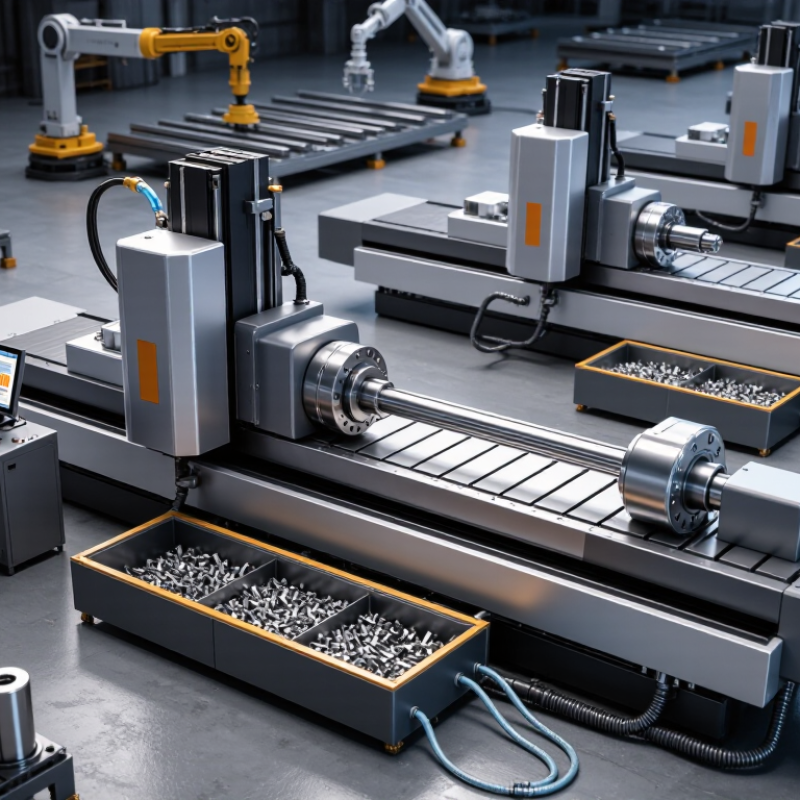
Define the Workpiece and Deep-Hole Drilling Requirements
Before choosing a CNC gundrilling machine, define the workpiece—not just the hole diameter. Record the material grade, hardness, blank size, and whether the hole is blind or through. Specify finished diameter, depth, straightness, position, and surface-finish requirements. A 300 mm hole in tough stainless steel behaves differently from the same hole in aluminum. Include the part’s clamping points, too; thin walls can shift under cutting forces. Small details matter.
Tip: Prepare a sample-part drawing with the deepest hole, tightest tolerance, and actual material condition. Ask suppliers to demonstrate those conditions, not an easier substitute.
For a useful tolerance reference, ISO 286-2:2010 gives an IT7 size tolerance of about 35 micrometers for a nominal 100 mm diameter. That figure applies to size, not hole straightness or position. Keep those requirements separate on the drawing. Also state the required depth-to-diameter ratio and coolant conditions, since both affect tool guidance and chip evacuation. One imperfect habit is specifying “high accuracy” without a measurable limit. Replace it with numbers, then confirm whether inspection equipment can verify them.
Compare CNC Gundrilling Machine Types and Key Specifications
When comparing CNC gundrilling machines, match the process to the hole, not the sales label. Single-spindle machines suit varied jobs and easier changeovers; multi-spindle models can raise output when parts repeat. Conventional gun drilling uses a long, slender tool and high-pressure coolant through its internal passage. BTA systems use a different chip-return path and often suit larger holes, but require compatible tooling and setup. Small details matter. Check whether the machine rotates the tool, the workpiece, or both; that choice affects fixturing and practical capacity.
Read specifications against your actual part drawings. Confirm minimum and maximum diameters, drilling depth, depth-to-diameter ratio, spindle speed, and torque across the required range. A headline accuracy figure means little unless straightness, position tolerance, and test conditions are stated. Ask for coolant pressure and flow, filtration rating, tank capacity, and chip-handling details. These affect tool life and hole finish. Check axis travel, loading space, control functions, and service access too. I would not trust a brochure figure alone. Request a trial using representative material, then inspect the hole for size, drift, burrs, and surface marks. The result may challenge your assumptions.
Evaluate Tooling, Coolant, Automation, and Control Systems
Before choosing a CNC gundrilling machine, match its tooling range to the holes you actually make. Confirm supported drill diameters, lengths, and workpiece materials. Ask how the machine handles tool changes and alignment. A small mismatch can cause vibration, poor hole finish, or premature tool wear. Check whether common replacement components are readily available. They can affect production more than expected.
Coolant deserves a close inspection. Ask about pressure, filtration, tank capacity, and chip removal at your intended drilling depth. Request a demonstration using similar material, and watch for heat, chip buildup, and inconsistent flow. Leaks matter. Automation can reduce manual loading, but only if parts feed consistently and setups remain practical. Ask how the system detects a misloaded part or interrupted cycle. A complex cell may look efficient, yet create extra work for a small team.
Review the control system with the people who will use it. Check that operators can set drilling cycles, view alarms, and adjust feeds without hunting through confusing screens. Confirm what diagnostic records are available for troubleshooting. Watch an operator run a real job. A smooth demo is useful, but it may not reveal awkward daily steps. Weigh training and maintenance needs alongside cycle time; this part is easy to underestimate.
Verify Machine Accuracy, Safety, and Manufacturer Support
A CNC gundrilling machine should prove its accuracy under real cutting conditions, not only on a specification sheet. Ask for a test using material, hole depth, and diameter close to your own work. Review the bore’s straightness, position, and finish, then request the measurement method and calibration records. A clean test piece helps, but it does not show how the machine behaves after hours of production.
Check the machine’s guarding, interlocks, emergency stops, and chip-control arrangements in person. Observe how operators load long workpieces and clear chips; awkward access can encourage unsafe shortcuts. Ask how coolant is filtered and monitored, since poor fluid condition can affect both tool life and hole quality. Small details matter. I would not judge safety from a checklist alone; watch a normal operating cycle if possible.
Manufacturer support deserves the same scrutiny as machine performance. Ask who handles installation, operator training, troubleshooting, and spare parts, and get realistic response times in writing. Confirm that service technicians can support your site and that essential components are available without excessive delays. Speak with a current user, if you can, about support after installation. One limitation: a single reference may reflect a different workload, so compare its experience with your own requirements.
Calculate Total Ownership Costs and Inspect Before Buying
A CNC gundrilling machine’s purchase price is only the starting point. Build a three- to five-year ownership estimate before comparing offers. Include installation, electrical work, coolant filtration, pumps, tooling, drill regrinds, and operator training. Add routine service, replacement seals, guide bushings, and planned downtime. Ask about consumable replacement intervals, then check whether they fit your materials, hole depths, and production volume. A lower-priced machine may cost more if setup takes longer or qualified service is hard to arrange. Keep a contingency. Real costs can be uneven.
Inspect the machine under power, using a workpiece similar to your own. Watch the spindle, feed motion, coolant flow, and chip removal during a representative hole. Check service records and look for leaks, damaged guards, unusual vibration, or inconsistent feed. A dial indicator can help assess runout, but compare readings with the machine’s specifications and have a qualified technician interpret them. Review alignment and guide-bushing condition, too. Ask for a test cut and measure the finished hole for straightness and size. One good hole is only a snapshot. If production is critical, arrange a longer trial and confirm that tooling, filtration, and support meet your actual operating needs.
CNC Gundrilling Machine: 5-Year Ownership Cost Estimate
Illustrative planning estimate in USD. Include purchase, setup, tooling, maintenance, energy, training, and inspection when comparing machines.
Example assumptions: $120,000 purchase price, plus estimated five-year setup and operating costs. Actual costs vary by machine specification, utilization, local energy rates, and service condition. Inspect the machine and request a detailed service history before buying.

 More
More