Top 10 Industrial Valve Manufacturers for Global Buyers

Industrial valves work out of sight, yet they regulate the flow of water, steam, gas, and chemicals through plants worldwide. A leaking seat, slow actuator, or poorly matched trim can halt production. Small details matter.

Grand View Research valued the global industrial valves market at approximately USD 79.6 billion in 2023 and projects a 4.8% compound annual growth rate from 2024 to 2030. These figures describe a broad market, not a guarantee of quality. Buyers still need to compare pressure ratings, materials, certifications, lead times, and after-sales support. A low purchase price can look less attractive when spare parts take weeks to arrive.

Process-control authority Béla G. Lipták uses the term “final control element” for the device that turns a control signal into a physical process change. That role puts valve selection close to plant reliability. This list examines ten manufacturers through a buyer’s lens: product range, application fit, global service, and evidence of technical capability. Look closely. A famous name does not automatically suit every plant, and market data cannot replace engineering review. That distinction is easy to overlook.
Top 10 Industrial Valve Manufacturers for Global Buyers

Industrial Valves: Functions, Types, and Key Applications

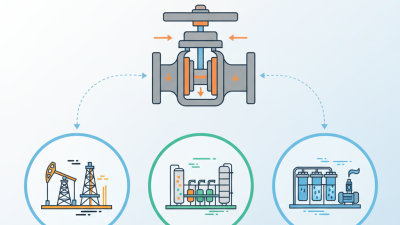
Industrial valves control, redirect, or isolate fluid moving through pipes. A gate valve opens a broad, relatively unobstructed path, while a globe valve offers finer flow adjustment. Ball valves turn quickly with a quarter-turn handle, making them common on utility lines. Check valves work differently: they help prevent reverse flow without routine operator input. Small design differences matter. A poorly matched valve can cause pressure loss, leakage, or difficult maintenance.

Applications shape the choice. Water systems may use resilient-seated valves for isolation, while steam and process lines require materials and seals suited to heat and pressure. In chemical service, compatibility must be checked against the actual fluid, concentration, and temperature—not just a general material chart. That detail is easy to miss. Buyers should also consider pipe size, operating frequency, connection style, and access for inspection. A valve that looks ideal on a specification sheet may be awkward to reach after installation. Selection is not always tidy; operating conditions change, and maintenance teams often uncover constraints that drawings did not show. Reliable records and qualified engineering review help reduce those surprises.
Industrial Valves: Flow Capacity at a 1 psi Pressure Drop

The chart shows the relationship between a valve’s flow coefficient (Cv) and water flow at a constant pressure drop. By definition, Cv is the flow of water at 60°F, in US gallons per minute, that produces a 1 psi pressure drop. These values follow Q = Cv × √(ΔP / SG), assuming water with a specific gravity (SG) of 1. Cv is useful when comparing valve flow capacity; the appropriate valve type depends on the application, such as isolation, throttling, or flow control. Actual performance varies with valve design and installation.

How to Evaluate Industrial Valve Manufacturers

When comparing the top industrial valve manufacturers, start with the service conditions, not the product catalogue. Record the fluid, operating pressure, temperature range, flow needs, and cycling frequency. A valve suited to clean water may perform poorly with abrasive slurry. Small details matter. Ask which body, trim, seal, and actuator materials match your process, and request written limits for pressure and temperature. Check that the proposed design and documentation meet the technical standards required for your project.

Then examine how the manufacturer verifies quality. Request test procedures, inspection records, material traceability, and sample certificates for the exact valve type under consideration. Ask how production changes are controlled and how defects are handled. A quick, specific answer is more useful than a polished brochure. Check lead times, spare-part availability, installation guidance, and access to technical support across your operating region. If possible, review a comparable installation or speak with a reference customer. No checklist removes every risk. It is easy to overlook maintenance access or assume delivery dates are firm; confirm both in writing before placing an order.

Top 10 Industrial Valve Manufacturers for Global Buyers - How to Evaluate Industrial Valve Manufacturers

No. Evaluation Dimension What Buyers Should Check Useful Evidence or Reference
1 Application and product fit Confirm valve type, pressure class, size, end connections, operating conditions, and suitability for the process medium. Product datasheets, drawings, and a documented review of the project specification.
2 Design standards Check whether the design standard matches the valve type and service. For example, API 6D covers pipeline and piping valves; it is not a universal standard for every industrial valve. Applicable standard editions, design calculations, and inspection documentation.
3 Pressure testing Verify shell and closure testing requirements, test medium, acceptance criteria, and whether testing is performed on each supplied valve as specified. Test procedures and traceable reports referencing the specified standard, such as ISO 5208 or API 598 where applicable.
4 Materials and traceability Assess body, trim, seat, and seal materials against corrosion, temperature, pressure, and fluid compatibility requirements. Material certificates, heat-number traceability, and material identification records when required by the purchase specification.
5 Quality management Review the scope and validity of the manufacturer’s quality-management certification and how nonconformities and corrective actions are controlled. A current ISO 9001 certificate from an accredited certification body, plus relevant audit or quality records.
6 Emissions and fire requirements For applicable services, check fugitive-emission performance and fire-tested design requirements against the project specification. Relevant test reports, such as ISO 15848 for fugitive emissions or API 607 for applicable quarter-turn valves.
7 Actuation and automation Confirm operating torque, actuator sizing, fail position, control or communication requirements, and compatibility with the site’s power supply. Torque calculations, actuator data sheets, interface drawings, and functional test records.
8 Inspection and documentation Agree on inspection points, witness or hold points, document language, and the records required for delivery and future maintenance. Inspection and test plans, final data books, drawings, certificates, and packing lists.
9 Delivery and supply capability Compare confirmed lead times, production capacity, export experience, packaging, and the supplier’s process for communicating schedule changes. A project-specific delivery schedule, capacity confirmation, and agreed shipping and preservation requirements.
10 Lifecycle support and total cost Evaluate spare-parts availability, maintenance guidance, warranty terms, service access, and the cost of ownership—not only the purchase price. Warranty documents, recommended spare-parts lists, maintenance manuals, and a comparable lifecycle-cost quotation.

Standards are examples for evaluation; confirm the applicable edition and requirements in the project specification, jurisdiction, and purchase contract.

Top 10 Industrial Valve Manufacturers for Global Buyers

Choosing among the top 10 industrial valve manufacturers for global purchasing takes more than comparing catalog prices. Buyers should match valve type, pressure rating, temperature range, and process medium to the actual operating conditions. A stainless-steel body may suit one line, while another needs a different alloy to resist corrosion. Check technical datasheets, material traceability, inspection records, and pressure-test documentation before approving a supplier. These details help verify that a product fits the application, not just the sales description.

Tips: Request drawings and test records for the exact model under review. Confirm lead times, spare-part availability, and service support for your destination. Ask how the manufacturer handles material changes or production delays. Small details matter. A neat comparison table is useful, but it can miss differences in testing scope or warranty terms. Review the assumptions behind each quote.

For a global shortlist, consider manufacturing capacity, export experience, communication, and the ability to provide consistent documentation. Check whether stated certifications apply to the factory, product, or specific production process; those are not interchangeable. Speak with technical staff about installation limits and maintenance needs. No shortlist is perfect. Revisit it when project conditions change, and document why each candidate meets the required specifications.

Comparing Product Ranges, Standards, and Global Support

A useful comparison of the top industrial valve manufacturers starts with the jobs their products can handle. One supplier may offer gate, globe, check, ball, and butterfly valves across several sizes. Another may focus on a narrower range but provide more options for severe temperatures or abrasive service. Check the details: body materials, pressure ratings, end connections, and available actuators. A product list alone can look impressive. Details matter.

Standards help buyers compare performance, but matching labels is not enough. Confirm which editions and product configurations are covered, and request test reports or material certificates for the specific order. Requirements can vary by process, project, and destination. A familiar standard does not automatically prove suitability for every installation. That distinction is easy to miss.

Global support can matter as much as the valve itself. Ask about regional stock, replacement-part lead times, technical response hours, and support during installation. A clear answer about a spare seal or actuator can be more useful than a broad service promise. Compare documentation quality, too: drawings, maintenance instructions, and traceable test records save time when equipment arrives. No comparison table captures every site condition, so buyers should verify critical specifications with qualified engineers before placing an order.

Steps for Selecting the Right Valve Manufacturer

Begin with the operating conditions, not a product catalog. Record the fluid, pressure range, temperature, pipe size, solids, and operating frequency. A valve handling clean water may fail quickly in abrasive slurry. Define the required leakage class and end connections before comparing quotations. Small details matter.

Grand View Research’s 2023 Industrial Valves Market report estimated the global market at US$78.9 billion in 2022, with projected growth of 4.4% annually through 2030.

A large market offers many options, but size alone says little about a manufacturer’s fit for your process.

Ask for material specifications, pressure-test records, and traceability documents for the exact valve model. Check that testing follows a relevant standard, such as ISO 5208 or API 598, where applicable. Request references for similar service conditions, not just a general customer list.

Do not guess. Review lead times, spare-part availability, and technical support in the regions where the valves will operate. Compare the quoted design against your requirements line by line.

A polished datasheet can still leave gaps in coating, actuator sizing, or test scope. It is worth asking awkward questions early; correcting a mismatch after installation is harder.