Top Industrial Strainers in China for Global Purchasers?
The industrial strainers market in China has witnessed significant growth, driven by increasing demand from various sectors. According to a report by MarketsandMarkets, the global industrial strainer market is expected to reach $3.2 billion by 2026, growing at a CAGR of 6.5%. This surge is fueled by the rising need for filtration systems in industries such as oil and gas, food and beverage, and water treatment. Chinese manufacturers are becoming key players in this global landscape.
China's industrial strainer production is notable for its diversity and innovation. Local companies invest in advanced manufacturing technologies, enhancing product reliability and efficiency. However, challenges exist. Many purchasers struggle to find high-quality options at competitive prices. Some manufacturers may compromise quality for lower costs. This reflects a need for better standards and more reliable assessments of products.
The requirement for industrial strainers extends beyond simple filtration. They play a vital role in maintaining system integrity and operational efficiency. As industries evolve, the demand for high-performance strainers that can withstand harsh conditions is crucial. Global purchasers must navigate this landscape, seeking suppliers that balance quality, service, and value, ensuring their operations run smoothly and sustainably.
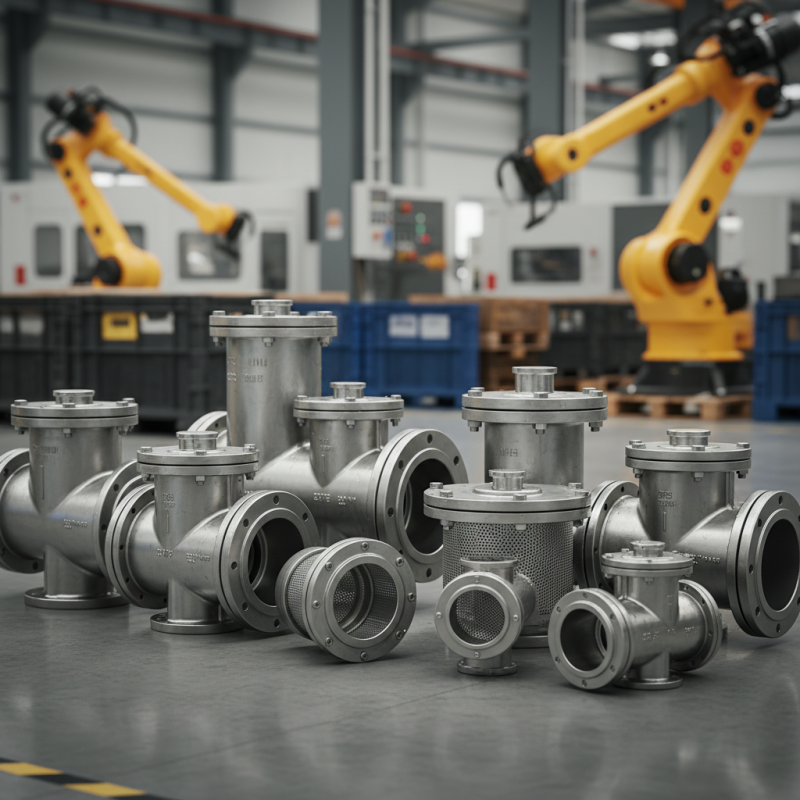
Overview of Industrial Strainers Available in China
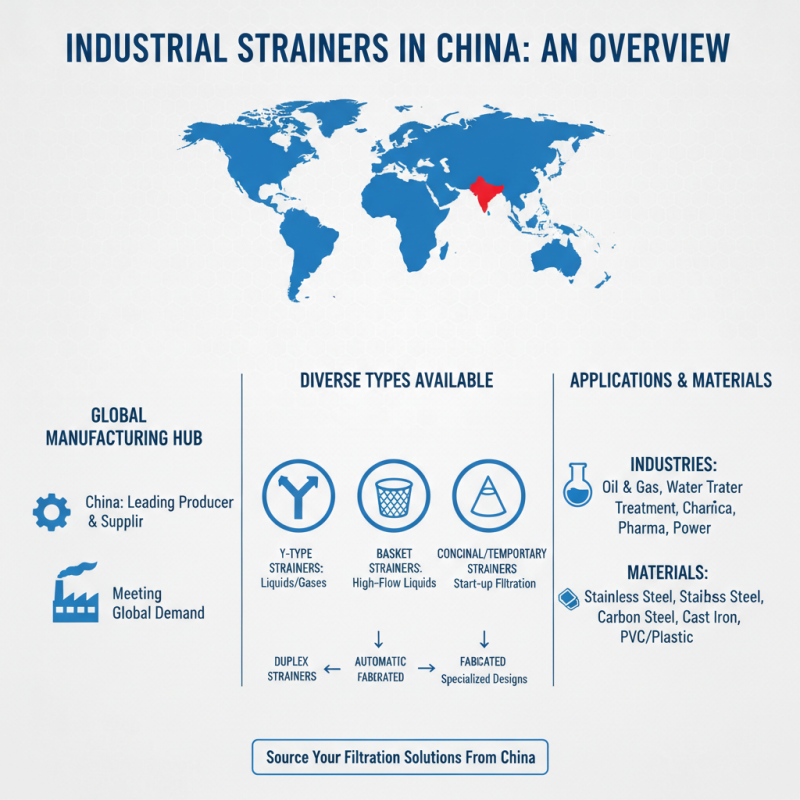
China has become a prominent hub for industrial strainer manufacturing. Various types of strainers are readily available to meet global demands. Many industries require effective filtering solutions for liquids and gases. This has led to the production of diverse designs and materials, each tailored for specific applications.
The industrial strainers in China are crafted with attention to detail. They range from Y-strainers to basket strainers and duplex strainers. Each type serves unique purposes in filtering and safeguarding systems. The construction materials often include stainless steel, carbon steel, and plastic, which guarantee durability and performance. However, not all manufacturers adhere to strict quality standards. It’s crucial for purchasers to perform due diligence and assess product certifications.
In the fast-evolving market, some strainers may not meet expectations. Issues with clogging or inadequate filtering can arise, leading to inefficiencies. Understanding the operational environment is essential. Buyers should engage with manufacturers to discuss specifications thoroughly. This interactive approach fosters transparency and ensures that the selected strainer fulfills the operational requirements effectively.
Key Manufacturers of Industrial Strainers in the Chinese Market
In the industrial strainer market, China plays a significant role for global purchasers. With a growing emphasis on efficient filtration solutions, numerous manufacturers are making strides. Data from industry reports suggest that the Chinese industrial strainer market is projected to reach approximately $600 million by 2025. This growth is driven by increasing industrialization and the need for high-quality filtration products.
Key players in this sector offer various types of strainers, including Y strainers and basket strainers. The versatility of these products addresses diverse industrial needs. According to recent statistics, nearly 30% of production capacity is concentrated in southern China. This area has become a hub for advanced manufacturing processes. However, some manufacturers face challenges in adhering to international quality standards. Reports indicate that quality inconsistencies can lead to product failures.
Moreover, sustainability trends influence the production of industrial strainers. Manufacturers are seeking innovative materials that not only enhance performance but also reduce environmental impact. In their efforts, some companies struggle to balance cost and quality. Accurate cost analysis and effective supply chain management remain critical issues. Continuous improvement in manufacturing processes is essential for competing globally.
Types of Industrial Strainers: Features and Advantages
Industrial strainers are vital components in various industries. They protect equipment by filtering out contaminants from liquids and gases. Understanding the types of strainers can aid in selecting the right one for specific applications.
There are several types of industrial strainers. These include basket strainers, Y strainers, and inline strainers. Basket strainers are designed for heavy-duty filtration. They can handle larger flow rates and capture larger particles effectively. Y strainers, on the other hand, are compact and suitable for applications where space is limited. Their design allows for easy cleaning and maintenance. Inline strainers are often installed directly into pipelines, ensuring continuous filtration.
Each type has distinct features and advantages. For example, the basket strainer's larger capacity makes it suitable for water treatment plants. Y strainers are prevalent in HVAC systems where filter replacements are frequent. However, choosing the correct strainer involves careful consideration of factors like flow rate, temperature, and contaminants. Ignoring these factors can result in inefficient operations or even equipment failures.
Factors to Consider When Sourcing Industrial Strainers in China
When sourcing industrial strainers in China, several factors require careful consideration. Quality is paramount. Look for materials that withstand harsh conditions. Stainless steel often offers durability. Also, check certifications that attest to the product's reliability. Inspecting prototypes beforehand can be beneficial.
Another crucial aspect is supplier experience. A manufacturer with a strong history of producing strainers understands the industry's nuances. They are more likely to meet your specific requirements. Communication is essential too. Clear dialogue with suppliers can help to prevent misunderstandings during production.
Cost cannot be ignored. While finding a budget-friendly option is essential, overly cheap products can compromise quality. Balancing cost with performance is vital. Additionally, feedback from prior purchasers can provide valuable insights into the supplier’s reputation. Always consider user reviews and case studies when making a decision.
Trends and Innovations in the Chinese Industrial Strainer Industry
The Chinese industrial strainer industry is witnessing significant trends and innovations. Recent reports indicate a projected market growth of 8.3% CAGR from 2023 to 2028. This growth is driven by increasing demand for filtration solutions across various sectors, including water treatment and food processing.
One noteworthy trend is the shift towards automation and smart technology integration. Smart strainers can reduce manual oversight, enhance efficiency, and minimize operational costs. Real-time monitoring is becoming standard, enabling predictive maintenance and reducing downtime. This innovation reflects the broader move towards Industry 4.0.
Sustainability is another crucial focus. Manufacturers are exploring eco-friendly materials and designs. Some are turning to biodegradable polymers for strainer components. Others are implementing energy-efficient processes. However, challenges in balancing cost and sustainability persist. Some companies still rely on traditional materials, raising questions about environmental impacts. The industry must address these issues to fully embrace sustainable practices.
Trends in the Chinese Industrial Strainer Market (2023)

 More
More