
China Top Box Making Machine Manufacturers How to Choose?

China’s box manufacturing sector has become a major sourcing destination for converters seeking automation, flexibility, and competitive pricing. Smithers’ report, The Future of Global Corrugated Packaging to 2029, estimates that the worldwide corrugated packaging market will continue expanding through 2029. Its findings highlight e-commerce, food delivery, and automated production as important growth drivers. These trends increase demand for a reliable Box Making Machine, not simply a faster machine.

PMMI’s packaging machinery research also identifies labor efficiency, digital controls, and sustainability as key purchasing priorities. Jorge Izquierdo, PMMI’s vice president of market development, offers a useful reminder: “Automation must solve a business problem, not merely add technology.” That principle matters when comparing Chinese manufacturers. Buyers should inspect forming accuracy, board compatibility, changeover time, glue performance, waste rates, and after-sales support. Ask for production samples using your own carton designs. Watch the machine run, not just the sales presentation. Small details matter.

A practical factory audit should include component brands, electrical standards, software access, spare-parts availability, and technician response times. Request measurable data rather than broad promises. Compare total ownership cost, including installation, training, maintenance, energy use, and downtime. A low purchase price can become expensive after repeated stoppages. That risk is easy to underestimate.

No supplier is perfect. Even strong manufacturers may have uneven documentation or limited overseas service coverage. Therefore, this guide explains how to evaluate China’s top Box Making Machine manufacturers with evidence, technical questions, and realistic production tests. The goal is not the cheapest machine. It is the most dependable fit for your boxes, operators, and long-term growth.
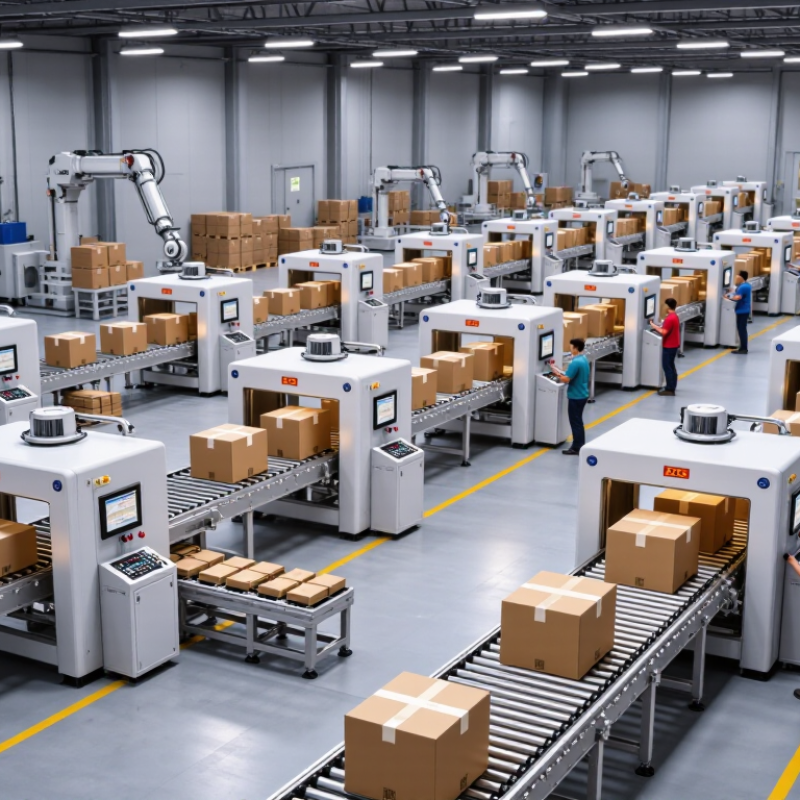
China Top Box Making Machine Manufacturers How to Choose?

Understanding Box Making Machines and Their Applications

Box making machines convert flat sheets into rigid, accurate packaging through feeding, creasing, folding, gluing, and pressing. Their applications include gift boxes, cosmetics packaging, electronics cartons, and premium food containers. Each machine suits a different production target. A small workshop may need flexible manual loading, while a factory may require continuous feeding and automatic inspection.

When choosing China top box making machine manufacturers, study their technical experience rather than relying on catalog claims. Ask for sample production using your actual board thickness, paper finish, and box structure. Check forming speed, crease accuracy, glue control, changeover time, and spare-parts support. A dependable manufacturer should provide operating data, maintenance guidance, safety documents, and practical training. However, advertised speed can be misleading. Real output often drops when designs change or materials vary.

Tips: Request a live test with your own materials. Measure finished boxes after pressing, not only during folding. Check whether operators can adjust the machine without complicated tools. Confirm voltage, installation space, warranty terms, and response times before ordering. It is also wise to inspect reference installations, when available. A machine that looks impressive may still waste board through poor alignment. This detail is easy to overlook. Good selection depends on repeatable results, transparent communication, and a realistic understanding of your production conditions.

Identifying the Main Types of Chinese Box Making Machine Manufacturers

China Top Box Making Machine Manufacturers: How to Choose?

Identifying the Main Types of Chinese Box Making Machine Manufacturers

Chinese box making machine manufacturers generally fall into four practical groups. Integrated line builders supply feeding, forming, gluing, folding, and stacking equipment. Their systems suit factories seeking one technical contact. Specialized makers focus on one stage, such as rigid box forming or automatic gluing. They may offer deeper process knowledge and easier replacement planning.

Modular equipment manufacturers provide separate units that can be combined later. This approach helps smaller converters control initial investment. Custom automation companies design machines around unusual sizes, short runs, or mixed materials. Export-oriented OEM factories often combine standard platforms with private specifications. Their real strength should be verified through factory audits, sample trials, and service records.

According to Smithers’ The Future of Global Packaging to 2028, worldwide packaging demand is expected to exceed 1.2 trillion dollars by 2028. That growth increases pressure for faster changeovers and less material waste. PMMI industry research also identifies automation, labor shortages, and digital monitoring as major packaging machinery priorities. Ask each supplier for measured output, not attractive catalog speed. A machine claiming 6,000 boxes per hour may perform differently with thick board, small batches, or frequent size changes.

Check the details. Ask for energy data, spare-part lead times, software ownership, and training scope. A factory visit helps, but it is not perfect evidence. Some demonstrations use ideal materials. Independent testing remains wiser.

China Top Box Making Machine Manufacturers: How to Choose?

Identifying the Main Types of Chinese Box Making Machine Manufacturers

Chinese box making machine manufacturers generally focus on rigid box production, folding carton converting, corrugated box production, or customized automation systems. Rigid box machines are commonly selected for premium packaging, while folder-gluer and corrugated lines are better suited to high-volume carton production. When comparing suppliers, evaluate box format compatibility, automation level, production speed, material range, after-sales service, and spare-parts availability.

Evaluating Machine Quality, Features, and Production Capacity

Choosing a top box making machine requires more than comparing catalog prices. Smithers forecasts the global packaging market will reach about US$1.2 trillion by 2028, up from US$1.05 trillion in 2023. This growth increases pressure on converters to deliver stable output, not just impressive speed. Inspect frame rigidity, roller alignment, electrical protection, and accessible maintenance points. Small defects often become expensive stoppages.

Quality must be tested with your actual board grades. Measure crease accuracy, slot depth, glue coverage, folding consistency, and finished box dimensions. Ask for production samples using different flute profiles and paper weights. A strong machine should record speed, rejects, downtime, and changeover time. Rated capacity can mislead. Calculate usable capacity as rated speed multiplied by realistic operating efficiency. Try 70–85%, not the brochure’s perfect figure. That is a useful reality check.

Features should support your product mix. Servo adjustment, automatic size changeover, remote diagnostics, and waste monitoring can reduce labor and setup losses. PMMI’s 2024 packaging trends research highlights automation and flexible production as major investment priorities. Still, more automation is not always better. Operators need clear controls and simple recovery procedures. Evaluate training records, spare-parts availability, warranty response, and factory acceptance testing. I would also question any supplier promising zero downtime. It sounds attractive, but production environments remain imperfect.

Comparing Manufacturer Experience, Certifications, and Support Services

When choosing a top box making machine manufacturer, experience should mean more than years in business. Ask how many similar machines the manufacturer has delivered and where they operate. A factory producing rigid boxes may require different feeding, folding, and gluing controls. Request sample boxes made from your actual paperboard. Small details matter, including corner accuracy, glue consistency, and changeover time.

Certifications can show professional discipline, but certificates need careful checking. Confirm the issuing body, validity period, and covered machine model. Safety documents should match the electrical system and operating conditions. Quality management certification may indicate controlled production, yet it cannot replace a factory inspection. I have seen impressive documents paired with weak testing records. Numbers can mislead. Review inspection reports, calibration records, and acceptance procedures before placing an order.

Support services often separate a reliable supplier from a convenient seller. Compare installation guidance, operator training, spare-part availability, and remote diagnosis. Ask for a written response time, not a friendly promise. A useful supplier can identify a sensor fault through photos or operating data. Local technicians are valuable when production stops unexpectedly. However, support quality may change after payment, so speak with recent customers and inspect service agreements. The strongest choice balances proven experience, relevant certifications, and practical support, while leaving room to question every attractive claim.

Choosing the Best Manufacturer for Your Business Requirements

China Top Box Making Machine Manufacturers How to Choose?

Choosing the Best Manufacturer for Your Business Requirements

Your box production goals should guide the manufacturer search. Define box size, board thickness, folding style, output, and acceptable waste. A supplier may offer impressive speed, but speed alone cannot solve unstable feeding or poor creasing.

Ask for machine samples using your actual paperboard. Check edge accuracy, glue lines, folding consistency, and changeover time. Request production videos, technical drawings, and documented quality checks. A reliable manufacturer should explain motor brands, control systems, safety features, and maintenance intervals clearly. Vague answers are warning signs.

Review factory experience through customer references, export records, and technician qualifications. Confirm installation support, spare-part availability, training, and response times before signing anything. A lower quotation can hide expensive tooling or weak after-sales service. No checklist is perfect. I would still inspect a finished machine in person when the investment is significant. During evaluation, measure noise, running temperature, and rejected boxes after several hours. One short demonstration is not enough. Choose equipment that matches your present orders and reasonable growth, rather than buying unused capacity. The best partnership depends on clear specifications, honest communication, and support that remains useful after delivery.

China Top Box Making Machine Manufacturers How to Choose? - Choosing the Best Manufacturer for Your Business Requirements

Evaluation Dimension Typical Industry Data Why It Matters What to Verify with the Manufacturer Suggested Priority
Box Type Compatibility Common machine categories include folding carton, corrugated box, rigid box, die-cut box, and window-patch box equipment. A machine designed for one box structure may not support another structure or production process. Request samples made from the same box style, board grade, dimensions, and finishing process used in your production. Critical
Material Range Paperboard, corrugated board, coated paper, laminated board, and greyboard are used in different box-making applications. Board thickness, surface coating, moisture, and flute structure affect feeding, creasing, gluing, and forming accuracy. Confirm minimum and maximum board thickness, flute compatibility, maximum sheet weight, and approved adhesive types. Critical
Production Speed Typical ranges are approximately 15–35 boxes/min for rigid box lines, 100–300 m/min for folder gluers, and 4,000–8,000 sheets/hour for many flatbed die cutters. The rated maximum speed is not the same as stable commercial output. Ask for guaranteed output using your actual box design, material, glue, operator skill level, and quality requirements. Critical
Finished Box Size Range Equipment specifications commonly define minimum and maximum blank size, box length, width, height, and sheet dimensions. A machine may achieve high speed but still be unsuitable for your smallest or largest box format. Compare your complete product-size list with the manufacturer's dimensional drawings and test results. Critical
Changeover Time Changeover time varies from several minutes on automated systems to considerably longer periods on manually adjusted equipment. Short changeovers reduce waste and improve profitability when producing multiple box sizes or short orders. Request a timed demonstration covering feeding adjustment, tooling changes, glue setup, and first acceptable production. High
Automation Level Options may include automatic feeding, servo positioning, touchscreen controls, automatic gluing, inspection, stacking, and production data monitoring. Higher automation can improve consistency, but it also increases purchase price and maintenance requirements. Match automation features to labor availability, order volume, product variation, and operator training capacity. High
Adhesive and Gluing System Cold-water-based adhesives are widely used; some applications require hot-melt, PUR, or specialized glue systems. Incorrect glue selection can cause poor bonding, nozzle blockage, contamination, or reduced production speed. Confirm glue viscosity range, application accuracy, cleaning procedure, pump specifications, and compatible replacement parts. High
Electrical Standards Industrial machines may be configured for different voltage, frequency, phase, control components, and safety requirements. Incorrect electrical configuration can delay installation and create safety or warranty issues. Verify voltage, frequency, phase, connected load, plug standards, electrical drawings, emergency stops, and guarding. Critical
Quality Control and Inspection Key checks include feeding stability, crease alignment, glue position, compression strength, box squareness, and finished dimensions. Consistent quality reduces rejected products, customer complaints, and material waste. Request documented acceptance criteria, inspection records, sample approval procedures, and defect-rate targets. Critical
Machine Footprint and Installation The required area includes the machine body, feeding and delivery sections, operator access, maintenance clearance, electrical cabinets, and material storage. Insufficient space can restrict safe operation, maintenance, ventilation, and future expansion. Obtain the complete layout drawing, machine weight, foundation requirements, lifting points, air supply, and ventilation requirements. High
Energy and Utility Consumption Consumption depends on motor power, vacuum pumps, heating systems, compressors, production speed, and operating hours. Utility costs influence the total cost of ownership over the machine's operating life. Request measured power consumption under normal production, compressed-air demand, and recommended operating conditions. High
After-Sales Support Support may include remote troubleshooting, installation guidance, operator training, preventive-maintenance instructions, and field service. Fast technical support reduces downtime and helps operators reach stable production sooner. Confirm response time, service language, training format, service coverage, escalation process, and spare-parts availability. Critical
Spare Parts Availability Wear parts commonly include belts, rollers, bearings, sensors, glue nozzles, cutting tools, vacuum components, and electrical components. Long spare-parts lead times can interrupt production and increase emergency maintenance costs. Request a recommended two-year spare-parts list, part numbers, prices, stock location, and typical delivery time. Critical
Warranty and Acceptance Terms Warranty terms should define coverage period, included parts, exclusions, installation responsibility, and performance acceptance conditions. Clear terms reduce disputes when actual performance differs from quoted specifications. Include measurable output, quality rate, material specifications, test procedures, payment milestones, and remedies in the contract. Critical
Total Cost of Ownership The total cost includes equipment price, tooling, shipping, installation, training, utilities, maintenance, spare parts, labor, and downtime. The lowest purchase price may not provide the lowest long-term production cost. Compare five-year operating costs, expected capacity utilization, labor savings, maintenance intervals, and payback period. Critical

Note: The production figures shown are typical industry reference ranges rather than guarantees for any specific manufacturer or machine model. Actual performance depends on box structure, board quality, tooling, adhesive, operator skill, and operating conditions.