What is a CNC Turning Center and How Does it Work?
A CNC Turning Center is a revolutionary machine tool that automates the process of shaping materials. It is widely used in various industries for precision manufacturing. The turning center employs computer numerical control (CNC) technology to enhance accuracy and efficiency.
This advanced equipment typically consists of a rotating spindle, cutting tools, and a workpiece holder. By manipulating these components, operators can achieve precise cuts and complex shapes. The ability to produce intricate designs in a repeatable manner is a key benefit of a CNC Turning Center.
Despite its advantages, there are challenges to consider. Programming can be complex and requires skill. Operators must also ensure that maintenance is a priority to avoid downtime. As industries continue to evolve, understanding the CNC Turning Center's role becomes essential. This machine has the power to reshape production, yet it demands careful handling and respect for its capabilities.
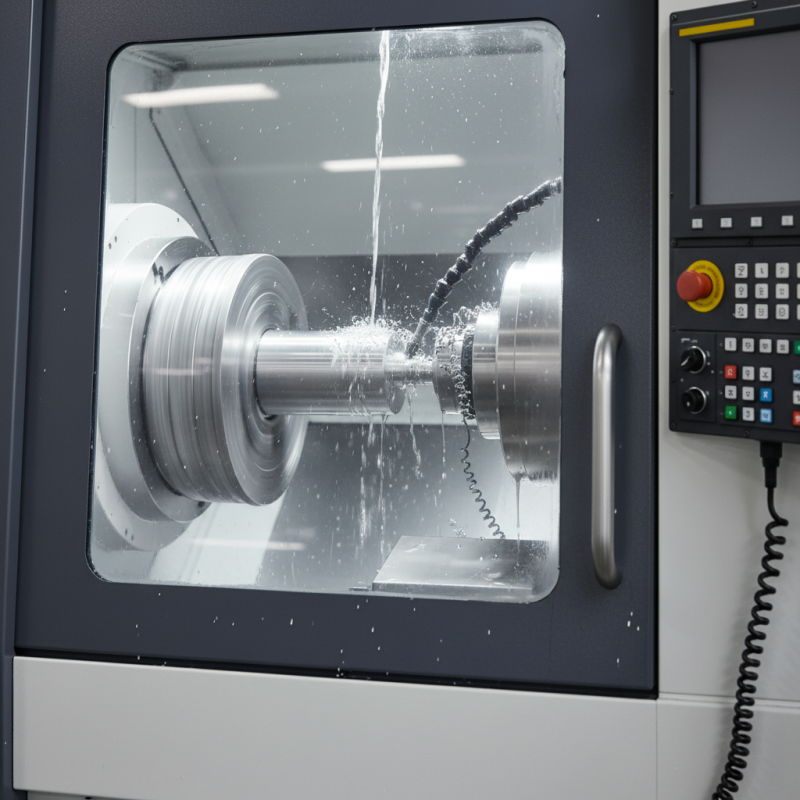
What is a CNC Turning Center? Definition and Overview
A CNC turning center is a sophisticated machine used for shaping metal and other materials. It employs computer numerical control (CNC) technology. This allows for precision and automation in manufacturing. The center rotates the workpiece against a stationary cutting tool. This dynamic setup enables the creation of cylindrical shapes with high accuracy.
In a typical CNC turning center, operators input designs into the software. Based on these designs, the machine performs various operations. These can include drilling, boring, and threading. Users often strive for perfection, but mistakes can happen. Tools can wear out, leading to uneven cuts. A simple oversight in programming can result in a flawed piece.
CNC turning centers offer versatility. They can handle different materials, from plastics to metals. However, the learning curve can be steep. Understanding the machine and software is essential for optimal results. Operators must remain attentive. Even minor disruptions can lead to significant errors. Regular maintenance is critical to keep the machinery in top shape.
What is a CNC Turning Center and How Does it Work?
| Feature | Description |
| Definition | A CNC turning center is a sophisticated machine capable of shaping materials, primarily metals, by removing material in a controlled manner. |
| Operation | It utilizes a rotating workpiece and fixed cutting tools to create cylindrical parts through a process called turning. |
| Key Components | Includes a spindle, a tool turret, a control panel, and coolant systems for optimal performance. |
| Applications | Commonly used in the manufacturing of screws, bolts, bushings, and other precision components. |
| Advantages | High precision, repeatability, and the ability to create complex geometries efficiently. |
| Control System | Operated via G-code which allows for precise control of movements and operations of the machine. |
| Material Compatibility | Works with a variety of materials including steel, aluminum, plastics, and more. |
| Maintenance | Regular maintenance is crucial to ensure longevity and performance, including lubrication and inspections. |
Key Components of a CNC Turning Center and Their Functions
A CNC turning center is a sophisticated machine used in manufacturing. It automates the process of shaping materials like metal or plastic. Key components play critical roles in its operation.
The spindle is crucial. It holds and rotates the workpiece. High-speed rotations allow for precise cutting. The tool turret is another key element. It stores multiple cutting tools, allowing for quick changes. This saves time during production. The control panel, while often overlooked, is essential. It enables operators to program the machine and monitor operations.
However, these components need regular maintenance. A worn-out spindle can lead to inaccuracies. Tools in the turret can become dull, affecting the quality of the finished product. It’s vital to keep the machine calibrated. Regular checks can prevent costly errors. Understanding these components helps operators make informed decisions, improving efficiency and product quality.
Key Components of a CNC Turning Center
How CNC Turning Centers Operate: Step-by-Step Process
CNC turning centers are vital in modern manufacturing. They transform raw materials into precise components. The operation process is intricate yet efficient.
The first step involves setting up the machine. Operators choose the right tools and load the raw material. Precision is key here. According to industry reports, CNC turning centers can achieve tolerances as tight as 0.001 inches, making them ideal for intricate designs. Once set, the CNC program is initiated. This program dictates the machine's movements, ensuring accuracy.
During the cutting phase, the spindle rotates the workpiece at high speeds. Simultaneously, the cutting tool moves along predetermined paths. Data indicates that this method reduces waste by up to 20% compared to traditional machining. However, not all programs execute flawlessly. Operators often face challenges with tool wear or programming errors. Continuous monitoring is required to maintain quality and efficiency.
Applications of CNC Turning Centers in Various Industries
CNC turning centers play a vital role in various industries, offering precision and efficiency. In the automotive sector, they are essential for manufacturing complex components. A report from MarketsandMarkets states that the automotive industry accounts for over 30% of CNC machine applications. These machines produce parts like shafts and connectors with a level of accuracy that manual machines simply cannot match.
In aerospace, the demand for lightweight yet sturdy components is critical. CNC turning centers allow for the creation of intricate designs that meet strict regulations. With an expected growth rate of 5.2% through 2025, this sector emphasizes the need for advanced manufacturing solutions. However, some manufacturers struggle with the initial setup cost and skilled labor requirements.
The medical industry increasingly relies on CNC technology for producing reliable components. Surgical instruments and implants require unparalleled precision. Yet, achieving this level of detail can be an ongoing challenge. Data suggests that around 40% of medical device manufacturers face difficulties in production consistency. Despite these hurdles, the advantages of CNC turning centers cannot be overlooked.
Benefits of Using CNC Turning Centers: Precision and Efficiency Statistics
CNC turning centers have revolutionized manufacturing. They offer remarkable precision. This technology allows for the creation of complex parts. With computer numerical control, the accuracy is unmatched. Many industries benefit from this innovation, especially automotive and aerospace sectors.
Using CNC turning centers significantly improves efficiency. Statistics show a reduction in production time by up to 50%. This change means lower labor costs and faster delivery times. Workers can focus on quality control instead of repetitive tasks. However, some operators may struggle with the programming aspects. This learning curve can initially slow down the process.
Precision is another critical advantage. Parts produced by CNC machines often have tolerances of just a few microns. This level of accuracy is essential for high-performance applications. Despite these benefits, some companies may face challenges. Upkeep of these machines requires knowledge and investment. Regular maintenance is crucial for optimal performance. Balancing costs versus benefits is a constant reflection point for many manufacturers.

 More
More