Top 5 CNC Hydraulic Press Trends at the 2026 Canton Fair?
As the 2026 Canton Fair approaches, excitement grows around the latest innovations in the manufacturing sector. Among these, the Cnc Hydraulic Press stands out as a significant focus area. The fair will showcase advanced technology, highlighting trends that reshape the industry.
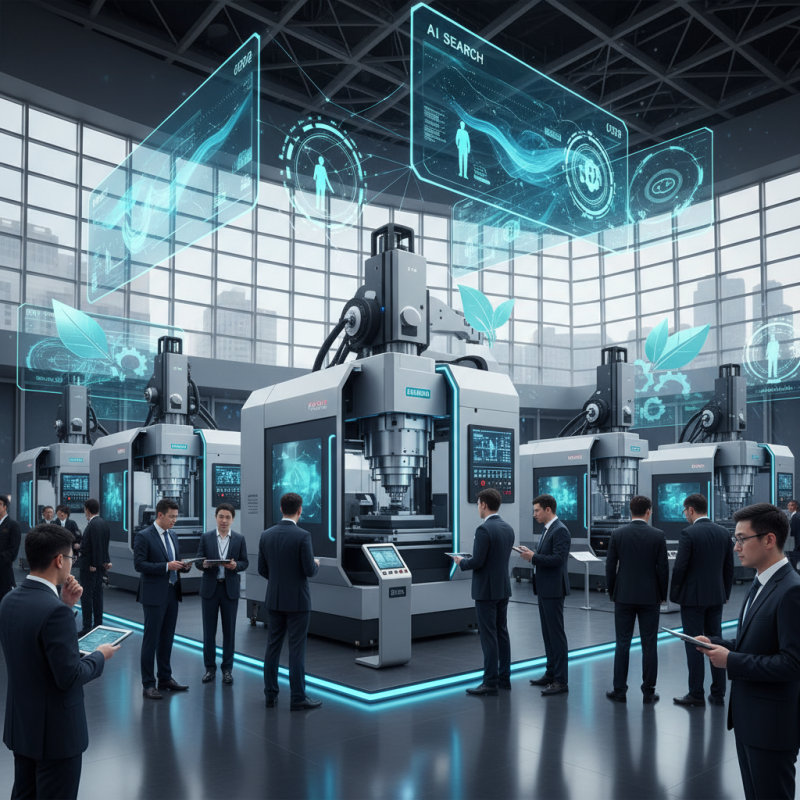
This year, a remarkable introduction of AI search and smart navigation will enhance the experience for buyers. They can easily find suppliers with the precise qualifications, such as ISO and CE certifications, streamlining their search across a vast exhibition space. Buyer efficiency may improve, but the reliance on technology also poses questions. Will human intuition be overshadowed by algorithms?
Cnc Hydraulic Press machines are evolving, with an increasing emphasis on sustainability and energy efficiency. Inquiries reflect a shift in buyer priorities, seeking eco-friendly solutions. However, manufacturers must ponder whether embracing these trends may compromise machine performance. The balance between innovation and tradition remains a crucial consideration for the industry's future.
Emergence of Smart Technology in CNC Hydraulic Presses
The emergence of smart technology in CNC hydraulic presses is reshaping the industry. According to a recent market report, the global CNC hydraulic press market is set to grow by 6.5% annually from 2023 to 2028. As manufacturers adopt advanced automation, the integration of IoT and AI becomes more prevalent. This innovation enhances efficiency and offers real-time monitoring.
Smart CNC hydraulic presses provide valuable insights. They can track performance metrics and predict maintenance needs. This reduces downtime significantly. In fact, businesses reported a 30% increase in productivity after implementing smart systems. However, integrating these technologies presents challenges. Not all operators possess the necessary skills to adapt to this high-tech landscape. Training programs must evolve to keep pace.
Moreover, cybersecurity issues are a growing concern. As machines become more interconnected, the risk of cyberattacks rises. Companies are urged to develop robust security protocols. Nevertheless, the potential benefits of smart technology in CNC hydraulic presses cannot be ignored. The shift toward smart manufacturing is not just a trend; it's an imperative for survival in a competitive market.
Sustainability Practices in Hydraulic Press Manufacturing
The focus on sustainability in hydraulic press manufacturing is growing rapidly. At the 2026 Canton Fair, many companies are set to showcase their eco-friendly practices. A recent industry report showed that over 60% of manufacturers are investing in greener technologies. This shift not only reduces waste but can also enhance productivity.
Hydraulic presses are typically energy-intensive. Manufacturers now aim to integrate energy-efficient motors. These motors can reduce energy consumption by up to 30%. Using recycled materials for components is another trend. Reports suggest that this can cut production costs. However, sourcing high-quality recycled materials remains a challenge.
Tip: Consider implementing regular maintenance schedules. This ensures equipment runs efficiently, preventing unnecessary energy usage.
Sustainability also involves waste management. Many facilities are now capturing and reusing hydraulic fluids. This not only conserves resources but also minimizes disposal costs. Some firms are still lagging in this area, lacking clear waste reduction strategies. Adopting such practices could provide a competitive edge.
Tip: Train staff on sustainable practices. Educated teams can spot waste reduction opportunities.
Innovative Designs for Enhanced Efficiency in CNC Machines
The 2026 Canton Fair showcases innovative designs in CNC hydraulic press technology. Efficiency is a key focus. New models feature enhanced accuracy and speed, reducing production times. These machines can process various materials, making them versatile in different industries.
One emerging trend is the integration of smart technology. Sensors and AI systems are being used to monitor performance and optimize workflows. However, this added complexity can lead to challenges. Operators need training to fully understand these advanced features. The balance between innovation and usability is crucial.
Another interesting development is the shift towards eco-friendly materials. Many manufacturers are exploring sustainable options for machine parts. This is a step forward, but not without its issues. Sourcing these materials can be costly and time-consuming. Companies must consider the trade-offs between environmental impact and efficiency.
Market Demand Shifts and Their Impact on CNC Hydraulic Press Trends
The CNC hydraulic press market shows dynamic shifts in demand. As industries evolve, manufacturers must adapt to these changes. Increased automation is a prime focus. More companies are integrating automated systems into their production lines. This shift enhances precision and reduces labor costs, offering a competitive edge.
Another noticeable trend is the emphasis on energy efficiency. Customers seek machines that consume less power while delivering high performance. This need drives innovation in hydraulic systems, making them more sustainable. Additionally, compact designs are gaining popularity. Many manufacturers prefer smaller equipment that takes up less floor space but maintains functionality.
Consumer preferences also influence material choices. There is a growing demand for machines that can handle diverse materials. This versatility is crucial for industries transitioning to new products. However, not all manufacturers are ready to adapt. Some struggle to keep up with these rapidly changing trends, impacting their overall competitiveness. Keeping pace with market demands remains a challenge for many.
Integration of Automation and Robotics in CNC Hydraulic Press Operations
The integration of automation and robotics in CNC hydraulic press operations is transforming the manufacturing landscape. These machines are becoming smarter and more efficient. Advanced robotics can handle complex tasks with precision that human operators might struggle to achieve. This shift not only increases productivity but also reduces the likelihood of human error.
However, the transition to fully automated systems is not without its challenges. There are concerns about job displacement as machines replace human roles. Additionally, the initial investment for integrating robotics can be significant. Manufacturers must assess whether the benefits outweigh these costs. This delicately balanced approach requires thoughtful planning and execution.
As CNC hydraulic presses evolve, operators must adapt to new technologies. Continuous training and upskilling are vital. Workers need to understand how to collaborate with robots for optimal results. While automation brings efficiency, it also poses questions about workforce dynamics. Each company must navigate these trends carefully to find a sustainable path forward.
Top 5 CNC Hydraulic Press Trends at the 2026 Canton Fair

 More
More