How to Choose the Right Butterfly Check Valve for Your Needs?
Choosing the right butterfly check valve is crucial for various industries, especially in water and wastewater management. The global valve market is projected to reach $100 billion by 2025, as reported by industry analysts. Butterfly check valves play an essential role in this growing sector. They offer lightweight designs and quick operation, making them ideal for many applications.
However, selecting the right valve can be challenging. Many professionals overlook specific parameters, such as pressure ratings and materials. This oversight can lead to operational inefficiencies. Reports indicate that 30% of valve-related issues stem from improper selection. A good butterfly check valve should efficiently prevent backflow while minimizing pressure loss, but not all brands deliver on this promise.
Consideration of the intended application is paramount. Applications vary by industry, each with unique requirements. Some environments demand corrosion-resistant materials, while others require high-temperature capabilities. Awareness of these factors can help prevent costly mistakes later. The decision to choose the right butterfly check valve should not be taken lightly; it demands careful evaluation and reflection.
Understanding the Purpose and Function of Butterfly Check Valves
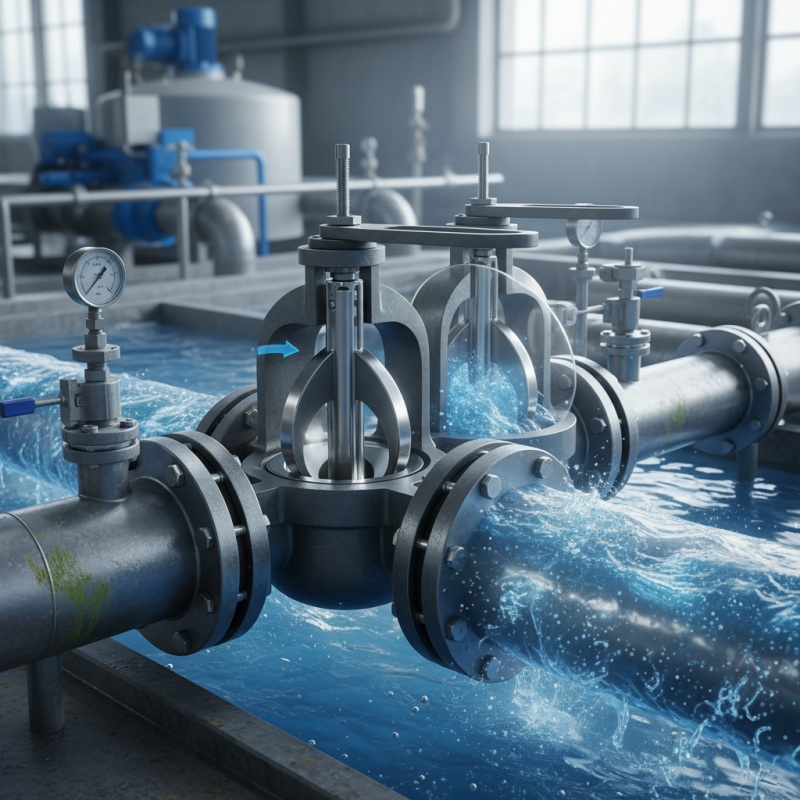
Butterfly check valves play a crucial role in many systems. They allow fluid to flow in one direction while preventing backflow. This function is vital for maintaining system efficiency. Proper selection of these valves ensures optimal performance and prolongs equipment life. Many may underestimate the impact of valve choice on overall operations.
When selecting a butterfly check valve, consider the application’s specific needs. Flow rates, pressure conditions, and the type of fluid can significantly influence performance. Using the wrong valve may lead to leaks or failures. It is essential to evaluate material compatibility to prevent corrosion or breakdown.
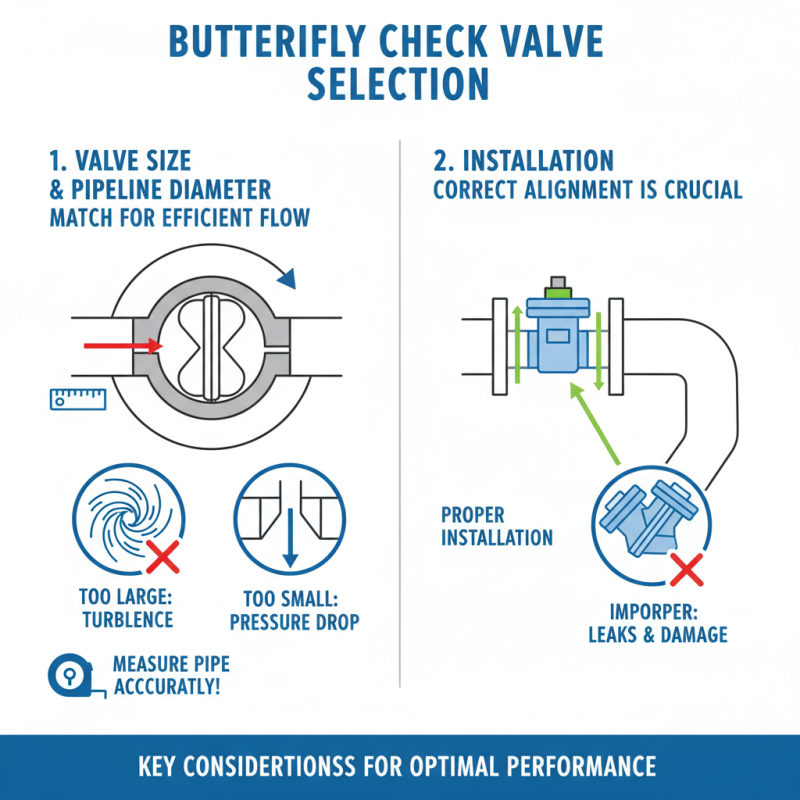
Remember that not all installations are straightforward. Space constraints or unusual configurations can complicate the choice. A well-suited butterfly check valve must fit seamlessly into the existing system. Take time to research and consult with experts for guidance. Tracking experiences and outcomes can improve future selections. Carefully weighing options can save costs and headaches in the long run.
Evaluating System Requirements: Pressure, Temperature, and Flow Rate
When choosing a butterfly check valve, evaluating system requirements is crucial. Pressure, temperature, and flow rate play significant roles. First, consider pressure ratings. Is your system low or high pressure? Selecting the right pressure rating can prevent valve failure. Too low a rating may cause leaks. Too high, and you risk damaging the valve.
Next, think about temperature. Extreme heat or cold impacts valve material. Not all materials handle high temperatures well. This can lead to premature wear or malfunction. You should also account for ambient temperature fluctuations. Maintaining performance under various conditions is key.
Flow rate is another essential aspect. Is your application continuous or intermittent? Understanding how flow affects the valve’s operation is important. If the flow rate is too high, it may cause turbulent flow. This can lead to erosion inside the valve. A mismatch can create inefficiencies in the system. Each of these factors demands careful consideration to ensure optimal valve selection. The right choice can mean the difference between smooth operations and unexpected issues.
Material Selection: Choosing the Right Construction for Your Environment
Selecting the right material for a butterfly check valve is crucial. Different environments present various challenges. For instance, if you operate in a corrosive setting, consider using stainless steel or a specially coated valve. These materials resist corrosion and enhance longevity. On the other hand, plastic valves work well in less demanding environments. They are lightweight and easier to install.
Temperature is another factor to consider. High temperature applications may require a valve made from resilient materials like bronze. However, some valves may not handle the heat well. Be mindful of that. Testing the selected material against your specific conditions is wise. Mistakes can be costly, leading to premature failures.
Additionally, consider the fluid type that will flow through the valve. Some materials do not interact well with certain chemicals. This can lead to degradation or leaks. A well-informed choice ensures efficiency and reliability. Evaluating all these factors can be daunting. It’s easy to overlook small details, but they can make a significant difference.
Maintenance and Longevity: Ensuring Reliable Operation of Your Valve
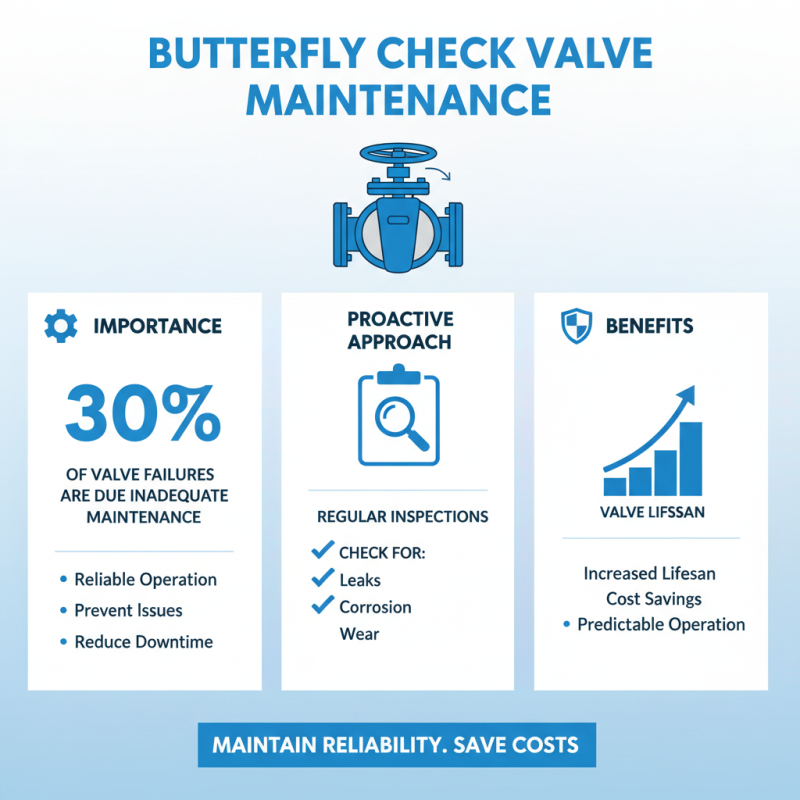
Maintaining butterfly check valves is crucial for reliable operation. Regular inspections can help prevent issues. According to industry reports, 30% of valve failures stem from inadequate maintenance. This statistic highlights the importance of a proactive approach. Checking for leaks, corrosion, and wear can increase a valve's lifespan significantly. Poor maintenance can lead to costly repairs and unexpected downtimes.
Longevity depends on the environment and usage. Tables and graphs from recent studies show that factors like temperature, pressure, and fluid type influence valve performance. For instance, extreme temperatures can cause seals to degrade. This deterioration may occur silently, leading to operational failures. Monitoring conditions can be challenging but is essential for prevention.
A notable percentage of operations overlook routine maintenance schedules. It's easy to forget minor checks when everything seems fine. However, ignoring this can jeopardize efficiency. Simple actions, like cleaning and lubrication, can enhance performance. Utilizing monitoring technologies may not be feasible for everyone, yet they can be worthwhile in the long run. Proper care is fundamental for reliability and efficiency.

 More
More