How to Choose the Best Adhesive Sealant in 2026?
Choosing the best Adhesive Sealant in 2026 starts with the job, not the label. A product that seals a bathroom joint may perform poorly on a moving outdoor connection. The right choice depends on the materials, expected movement, moisture, temperature, and exposure to sunlight or chemicals. Small details matter.
This guide explains how to compare common sealant types, including silicone, polyurethane, and hybrid formulations, without assuming one option suits every project. It looks at adhesion, flexibility, curing time, application conditions, and long-term maintenance. A cartridge that feels easy to apply may still be incompatible with a particular surface, so check the manufacturer’s technical data sheet and prepare a small test area when practical. Follow product instructions for surface preparation, ventilation, curing, and protective equipment.
Think about the actual joint: Is it narrow or deep? Will it expand in summer or stay damp after use? These observations can narrow the options more reliably than broad claims on packaging. No sealant fits everything. Even a careful comparison has limits, because installation quality and site conditions can change the result. That is worth admitting. Before buying, match the product’s stated use to the project and confirm any relevant performance claims in current documentation. The goal is not simply to find the strongest Adhesive Sealant, but to choose one suited to the materials, conditions, and expected service life.
What Is an Adhesive Sealant and How Does It Work?
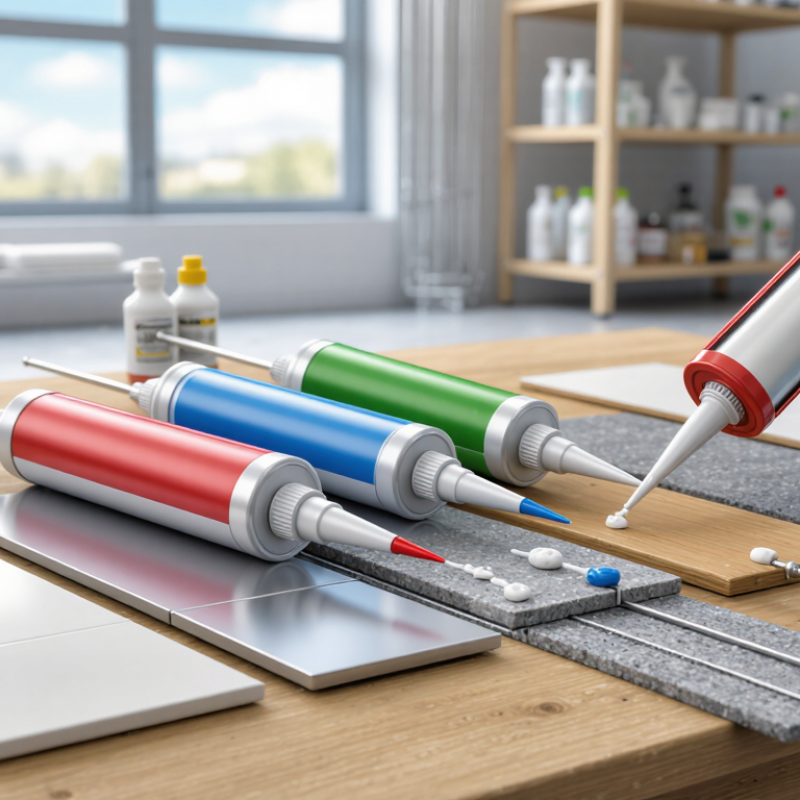
An adhesive sealant both joins surfaces and closes gaps. Adhesives prioritize bond strength; sealants usually stay flexible as joints move. Some formulations do both, but performance depends on the materials, joint design, and curing conditions. A bead around a window, for example, must grip the frame and wall while tolerating seasonal expansion. Small bead. Big difference.
Most products cure through moisture, chemical reaction, or evaporation. Clean, dry surfaces matter; dust or old residue can weaken adhesion. The U.S. Department of Energy’s Energy Saver guidance estimates that air leakage can account for 25% to 40% of heating and cooling energy use in a typical home. Properly sealed gaps can help limit that leakage, though sealant cannot replace insulation or planned ventilation. For a 2026 project, check substrate compatibility, movement capability, exposure to water or sunlight, and the stated cure time. A smooth bead can still fail if the joint is too deep or moves beyond the product’s rating. I have seen this detail underestimated: a quick application may look finished, but durability depends on preparation and fit.
How to Choose the Best Adhesive Sealant in 2026?
What Is an Adhesive Sealant and How Does It Work?
An adhesive sealant bonds surfaces while sealing a joint against air or water. For moving building joints, compare the sealant’s rated movement capability with the movement expected in the joint. The chart shows ASTM C920 extension ratings: Class 100/50 indicates 100% extension and 50% compression. These classifications apply to elastomeric building joint sealants; confirm that the specific product is suitable for your substrates and application.
How to Define Your Bonding and Sealing Requirements
How to Choose the Best Adhesive Sealant in 2026?
How to Define Your Bonding and Sealing Requirements
Start with the joint, not the tube. Identify each substrate, such as painted steel, glass, concrete, or a powdery masonry edge. Note whether surfaces are porous, oily, coated, or likely to stay damp. Then record the joint width, expected movement, and exposure to water, sunlight, chemicals, and temperature swings. Small details matter. A clean, dry test area can reveal poor wetting before the full job begins.
Movement needs a number. ASTM C920 defines sealant classes by tested movement capability; a Class 25 sealant is rated for movement of plus or minus 25% of joint width under specified conditions. Match that rating to the joint’s expected movement, not a guess. The International Energy Agency’s 2024 Global Status Report for Buildings and Construction estimates buildings use about 30% of global final energy. That figure does not prove one sealant will save energy, but it underlines why air leakage deserves attention in building joints.
Next, define how the assembly must perform: structural bonding, weather sealing, or both. Check cure time against installation conditions, including humidity, temperature, and bead depth. A surface can look dry while the sealant underneath remains uncured. Be specific. Drawings may miss site realities, so verify substrate compatibility with a small adhesion test and document the result. If failure would be costly, ask for test data matching the actual materials and service conditions, not just a general product description.
Which Adhesive Sealant Types Suit Different Materials?
The right adhesive sealant depends on the materials, the size of the joint, and how much it will move. For glass against a shower frame, silicone sealant generally handles moisture and movement well. Some formulations cannot be painted, though, so check the finish requirements before applying it. Details matter.
For painted interior trim, acrylic latex sealant is easy to tool and paint, but it is a poor choice for joints that stay wet. Wood meeting masonry may need a flexible polyurethane sealant, especially outdoors where temperature changes open and close small gaps. On clean, rigid metal parts, a two-part epoxy adhesive may create a stronger bond than a flexible sealant. These products are not interchangeable.
Surface preparation can make or break the result. Remove loose material, dust, and grease, then check that the sealant is compatible with both surfaces. I still find it easy to overlook joint movement: a neat-looking bead may crack if it cannot stretch enough. Read the product’s technical sheet for cure time, temperature range, and movement rating. Test first. A small patch can reveal poor adhesion or an unwanted finish before the full repair begins.
How to Compare Performance, Compatibility, and Safety
In 2026, compare sealants by the joint they must protect, not by price alone. Estimate expected movement, then check the product’s movement rating and cure conditions. ASTM C920 classifies elastomeric joint sealants by properties such as movement capability and exposure type. Check the datasheet. A sealant that handles exterior movement may still be unsuitable for a constantly wet shower. Confirm adhesion guidance for each surface, including glass, painted wood, concrete, or metal. On a small test area, look for poor wetting, edge lift, or discoloration before applying a full bead.
Compatibility includes the existing coating and nearby materials, not just the main substrate. Ask whether primers are needed, and allow the stated cure time before exposing the joint to water or movement. Safety deserves equal weight. The U.S. EPA’s The Inside Story: A Guide to Indoor Air Quality reports that concentrations of many VOCs can be up to ten times higher indoors than outdoors. Review the safety data sheet for ventilation, skin protection, and cure-related precautions; low odor alone does not prove low emissions. Product labels can be easy to skim, and I would not treat a single “low-VOC” claim as a complete safety check.
How to Test and Select the Right Sealant for Your Project
Choosing an adhesive sealant starts with the joint, not the tube. Identify the materials, expected movement, moisture, and temperature range. A bathroom corner, outdoor window, and metal panel each face different conditions. Check the product’s technical data sheet for suitable substrates, surface preparation, cure time, and service limits. If these details are unclear, ask the supplier or manufacturer before applying it.
Test on a small, hidden area or a matching offcut. Clean and dry the surface as directed, then apply a bead similar to the one your project needs. Let it cure for the stated period; a skin on the surface does not mean the center has cured. Inspect for gaps, shrinking, or edge lift. A thumb check is not enough. If the joint will move, test a sample under realistic movement rather than judging appearance alone.
I would not treat one neat bead as proof of success. That assumption is tempting, but weak. Compare how the cured sealant bonds to each material, and note whether it stays flexible under expected conditions. Keep a record of surface preparation, room temperature, and cure time. Small details matter. Real job conditions can be messy, and a test may not predict every failure, but it is more reliable than choosing by color or price alone.

 More