
China’s canmaking sector has changed quickly. Modern factories now combine high-speed presses, automated bodymakers, transfer systems, inspection cameras, and digital production monitoring. A Can Body Making Machine must do more than form cylindrical shells. It must maintain wall thickness, body diameter, weld quality, and output stability across long production runs.
Industry research supports this direction. Smithers’ report, The Future of Metal Packaging to 2028, identifies lightweighting, recyclability, and manufacturing efficiency as major market drivers. Grand View Research also reports continued growth in the global metal cans market, supported by beverage, food, aerosol, and industrial packaging demand. PMMI research highlights a similar concern: manufacturers increasingly value automation, predictive maintenance, and shorter changeover times. Exact market figures differ between reports. That deserves careful review.
As metal-packaging consultant Tony Waters has noted, “Canmaking is controlled engineering, not simply high-speed production.” His point remains practical. A machine producing 1,000 bodies per minute is not automatically the best choice. Scrap rate, tooling life, energy use, operator training, after-sales service, and spare-parts access can matter more on a real factory floor.
This article outlines China’s top 10 Can Body Making Machine manufacturers through those measurable criteria. It considers machine capability, production experience, export performance, customization, technical support, and documented customer use. Some rankings may remain debatable. Supplier claims should be checked against factory visits, test runs, certifications, and independent references. That is where a useful comparison begins.
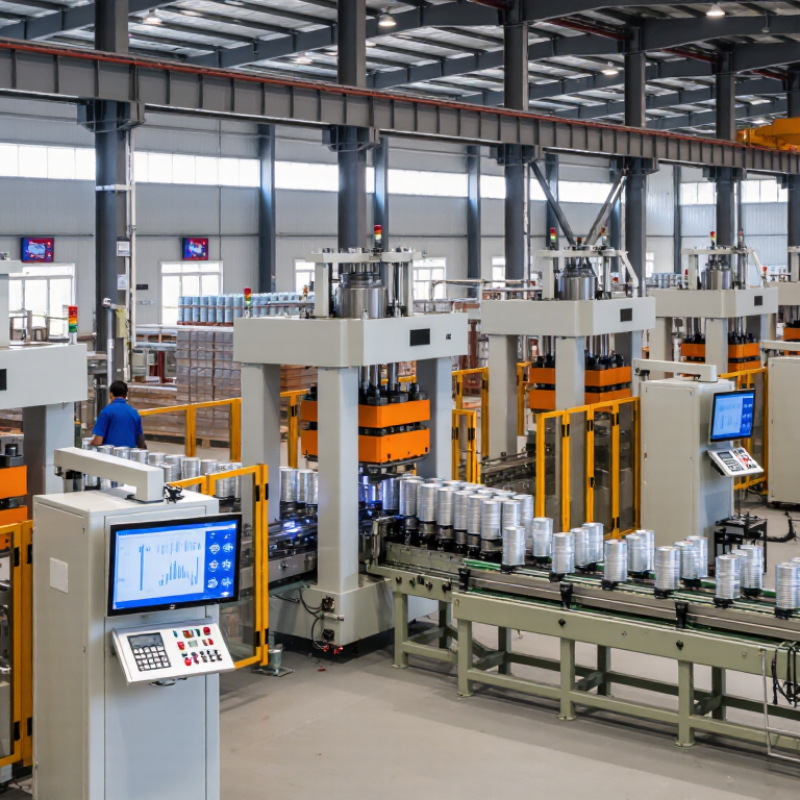
A can body making machine transforms a flat metal sheet into a precise, open-ended container body. In a typical two-piece can line, a cupping press forms a shallow cup. The bodymaker then redraws and irons it through hardened tooling. This process reduces wall thickness while increasing height. A trimming unit creates an even rim, ready for cleaning, coating, and inspection.
The equipment demands tight control. A slight tooling gap can cause wrinkles, cracks, or uneven sidewalls. Operators monitor stroke timing, lubricant flow, punch wear, and metal thickness. Many modern production lines exceed 300 cans per minute, although speed depends on diameter, alloy, and product design. According to the Aluminium Association’s industry data, recycled aluminium saves about 95% of the energy required for primary production, increasing pressure for efficient, low-waste forming.
Market studies from Grand View Research have reported continued growth in the global metal cans market, supported by beverage and food packaging demand. That growth does not make every machine suitable. Buyers should examine output stability, changeover time, scrap rates, noise control, and maintenance access. A catalogue speed can look impressive. Real factory performance may be lower. Even experienced teams sometimes underestimate lubrication changes and die alignment, which can quietly reduce quality.
How Does the Can Body Manufacturing Process Work?
Can body manufacturing begins with carefully selected tinplate or aluminum sheet. Operators check thickness, surface finish, hardness, and coating condition before production starts. Small defects can become larger problems later.
The sheet is uncoiled, leveled, and cut into accurate blanks. Printing or protective coating may be applied before forming. In three-piece production, a body former rolls each blank into a cylinder. A welding unit then joins the side seam. The seam is inspected and often coated internally to improve corrosion resistance. Machines next perform beading, flanging, or necking, depending on the can design. These operations require steady pressure and precise timing.
Quality control continues throughout the line. Cameras can detect dents, open seams, coating gaps, and incorrect dimensions. Workers also measure diameter, height, weld strength, and coating coverage. Production records support traceability and consistent maintenance. In practice, no machine runs perfectly forever. Tool wear, material variation, and temperature changes can affect results. A skilled technician may adjust forming pressure by a small amount. That minor correction can prevent thousands of rejected bodies. Still, operators sometimes focus too much on speed. This is where improvement begins. Reliable production balances output, safety, inspection, and practical experience.
China Top 10 Can Body Making Machine Manufacturers?
Key Criteria for Evaluating Chinese Machine Manufacturers
Choosing a can body making machine requires more than comparing listed prices. A reliable evaluation starts with production experience, technical depth, and verifiable customer results. Ask how many similar lines the manufacturer has installed. Request samples made with your steel, tinplate, or aluminum specifications. Small material differences can expose major weaknesses.
Inspect the machine structure carefully. Check welding quality, electrical cabinets, guarding, servo systems, and tool adjustment access. Ask for stated tolerances, output rates, changeover times, and energy consumption. These figures should come from factory testing, not attractive sales language. A factory acceptance test should use your actual can dimensions and production materials. Watch the line run for several hours.
Documentation matters too. Review drawings, maintenance schedules, spare parts lists, and operator training plans. Confirm whether engineers can support installation and remote troubleshooting in your working hours. Independent certificates are useful, but they never replace practical testing. Speak with recent users, not only older reference customers.
A perfect brochure proves little.
Visit the workshop if possible. Observe housekeeping, component storage, inspection records, and how workers handle rejected parts. These details often reveal the manufacturer’s real quality culture. No supplier is flawless, and delivery promises can still slip. I would record every assumption in the contract, including acceptance standards and response times. A cheaper machine may become expensive when tooling, downtime, and undocumented modifications appear later.
China’s Top 10 Can Body Making Machine Manufacturers
China has become a major source of can body making machines for food, beverage, chemical, and general packaging production. A reliable top-ten list should examine engineering quality, production experience, and after-sales support. Factory visits can reveal more than online claims. Watch the details.
During equipment evaluations, buyers should inspect welding stability, shell diameter control, and material thickness settings. A strong machine should maintain consistent seams during long production runs. Operators also need clear control panels, accessible spare parts, and practical safety guards. Technical documents should include capacity data, installation requirements, maintenance intervals, and testing records.
The best manufacturers usually provide trial production before shipment. This process helps confirm speed, noise levels, power consumption, and finished can accuracy. Service response also matters when a sensor fails during a busy shift. Some suppliers offer excellent machinery but weaker training, which can increase setup time. That weakness deserves attention. Rankings can be imperfect because factory conditions, customization, and buyer expectations differ. A careful comparison should include reference projects, inspection procedures, warranty terms, and the skills of the local service team. Budget savings mean little if alignment problems repeatedly stop production.
| No. | Manufacturer Profile | Primary Machine Focus | Typical Can Format | Typical Rated Speed | Main Forming Process | Compatible Materials | Suitable Application |
|---|---|---|---|---|---|---|---|
| 1 | High-speed two-piece can line specialist | Draw-and-wall-ironing can body systems | Aluminium or steel beverage cans | Up to approximately 400–800 cans/min | Drawing, wall ironing and bottom forming | Aluminium and tinplate | Large-volume beverage production |
| 2 | Three-piece welded can line specialist | Body forming, seam welding and beading lines | Food, paint and general-purpose cans | Approximately 60–300 cans/min | Sheet cutting, rolling and longitudinal seam welding | Tinplate and electrolytic chromium-coated steel | Canned food, chemicals and industrial packaging |
| 3 | Food can body machinery specialist | Automatic bodymakers, beaders and flangers | Round sanitary food cans | Approximately 80–250 cans/min | Welded-body forming with mechanical profiling | Tinplate and coated steel | Vegetables, seafood, meat and pet food |
| 4 | Aerosol can body line specialist | Necking, doming, welding and leak-testing equipment | Three-piece aerosol cans | Approximately 80–250 cans/min | Welded-body production with precision necking | Tinplate and coated steel | Personal care, household and industrial aerosols |
| 5 | Paint and chemical can machinery specialist | Medium- and large-diameter body production lines | Open-head and tight-head cans | Approximately 30–150 cans/min | Rolling, welding, flanging and seaming | Tinplate, coated steel and stainless steel | Paints, coatings, lubricants and chemicals |
| 6 | General industrial can line specialist | Flexible bodymakers for multiple diameters | Round and shaped three-piece cans | Approximately 40–180 cans/min | Roll forming, resistance welding and profiling | Tinplate and steel sheet | Promotional, household and industrial packaging |
| 7 | Small-batch and customized line specialist | Compact bodymakers with quick-change tooling | Small round, square and shaped cans | Approximately 20–100 cans/min | Flexible forming, welding and edge processing | Tinplate, aluminium and coated steel | Specialty foods, gifts and short production runs |
| 8 | Automatic line integration specialist | Complete lines with conveyors, sensors and controls | Food, beverage and general industrial cans | Approximately 60–400 cans/min | Integrated forming, inspection and transfer | Aluminium, tinplate and coated steel | High-throughput plants requiring automation |
| 9 | Can body inspection and quality-control specialist | Weld, flange, dimension and leak inspection modules | Two-piece and three-piece metal cans | Matched to line speed | Machine-vision inspection and pressure or vacuum testing | Aluminium, tinplate and steel | Food safety and defect-sensitive production |
| 10 | Turnkey export project specialist | Complete can body plants, installation and commissioning | Customer-specific two-piece or three-piece formats | Project-dependent | Configured production line with synchronized stations | Aluminium, tinplate, coated steel and stainless steel | Overseas factories and integrated packaging projects |
Note: Rated speeds are indicative industry ranges. Actual output depends on can diameter, height, material thickness, tooling, product specifications, line configuration and operating conditions.
Selecting a can body making machine manufacturer requires more than comparing a top-ten list. Start with your production data: can diameter, body height, material thickness, target speed, and daily output. A machine designed for beverage cans may not suit food cans or specialty containers.
Ask for measurable evidence. Request sample cans made with your material, dimensional inspection records, and a live machine test. Check forming accuracy, seam compatibility, scrap rates, noise, and changeover time. A smooth demonstration is useful, but it can hide difficult operating conditions. Test several sizes if your factory needs flexibility.
Review the manufacturer’s engineering depth and service capacity. Confirm electrical standards, spare-parts availability, operator training, software support, and response times. Visit an installed machine when possible. Watch how operators clean tooling, adjust sensors, and handle minor faults. These details often reveal more than a polished brochure.
Calculate the full cost, not only the purchase price. Include installation, shipping, tooling, maintenance, energy use, and expected downtime. Ask for a clear warranty with practical exclusions. A low-cost machine can become expensive after repeated stoppages.
Do not ignore documentation. Reliable suppliers provide manuals, inspection procedures, safety instructions, and traceable quality records. Their answers should be specific, consistent, and technically understandable. If sales staff avoid production questions, pause the evaluation. That may be a warning sign. Also, leave room for uncertainty: projected output is not guaranteed until your material and operators complete a proper acceptance test.
This reference scoring model uses practical procurement priorities for can body making equipment. Forming accuracy and production throughput receive the highest weights, while automation, technical support, and total cost of ownership help assess long-term suitability. The percentages are evaluation guidelines rather than company-specific performance data.