What to Look for When Buying a Check Valve?
When choosing a check valve, importance lies in understanding its function and applications. A check valve is a crucial component in many systems. It ensures that fluid flows in one direction, preventing backflow. This function is vital in plumbing, oil, and gas industries.
Selecting the right check valve can seem daunting. There are various types, sizes, and materials to consider. The best choice depends on specific needs and conditions. It's not just about picking one off the shelf. A careful assessment of the operating environment can make a significant difference.
Some common mistakes include neglecting pressure ratings and material compatibility. These factors can impact the valve's performance and lifespan. Being aware of these details promotes reliability. By thoroughly evaluating your options, you can prevent costly failures in the future. Always prioritize quality to ensure optimal performance in your systems.
Types of Check Valves and Their Applications
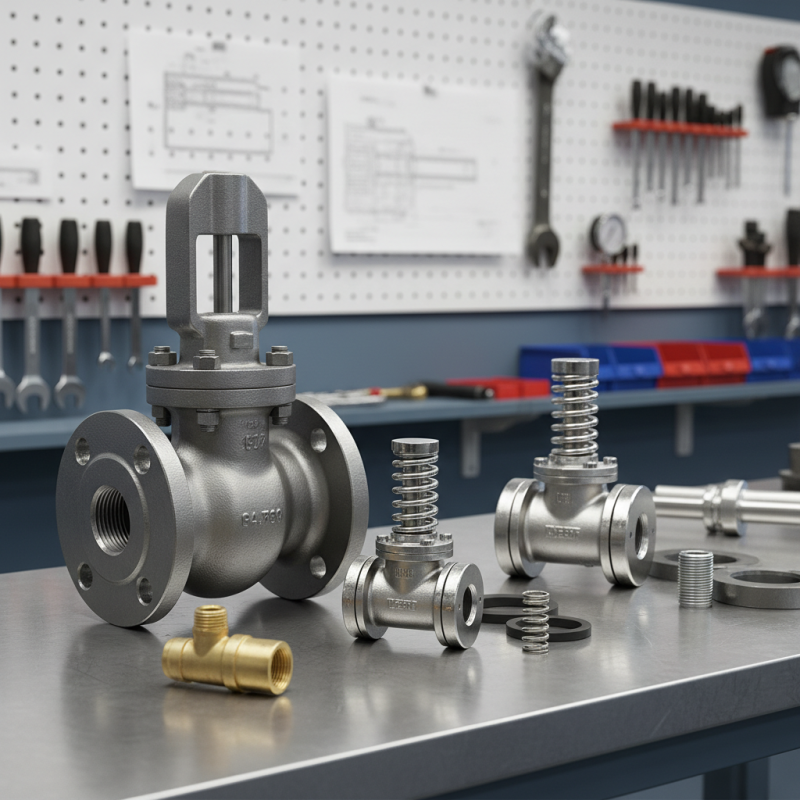
When selecting a check valve, understanding its types and applications is crucial. There are several common types, including swing, spring-loaded, and lift check valves. Each type serves unique functions in various industries. For example, swing check valves are often used in water and wastewater applications due to their reliable performance in directional flow.
Swing check valves operate by using a disc that swings open and closed. This design minimizes pressure loss and provides efficient flow. In contrast, spring-loaded check valves utilize a spring mechanism to ensure timely closure, making them ideal for applications requiring rapid response times. They are particularly prevalent in the oil and gas sector, where ensuring precise flow management is essential.
The choice of check valve can have significant cost implications. A recent industry report indicated that improper valve selection can lead to up to 30% increased operational costs. This underlines the importance of evaluating specific application needs. Some systems may not require high-pressure check valves, while others need robust designs to handle extreme conditions. Understanding the operational environment and flow characteristics will guide you toward the right type of check valve.
Material Considerations for Durability and Performance
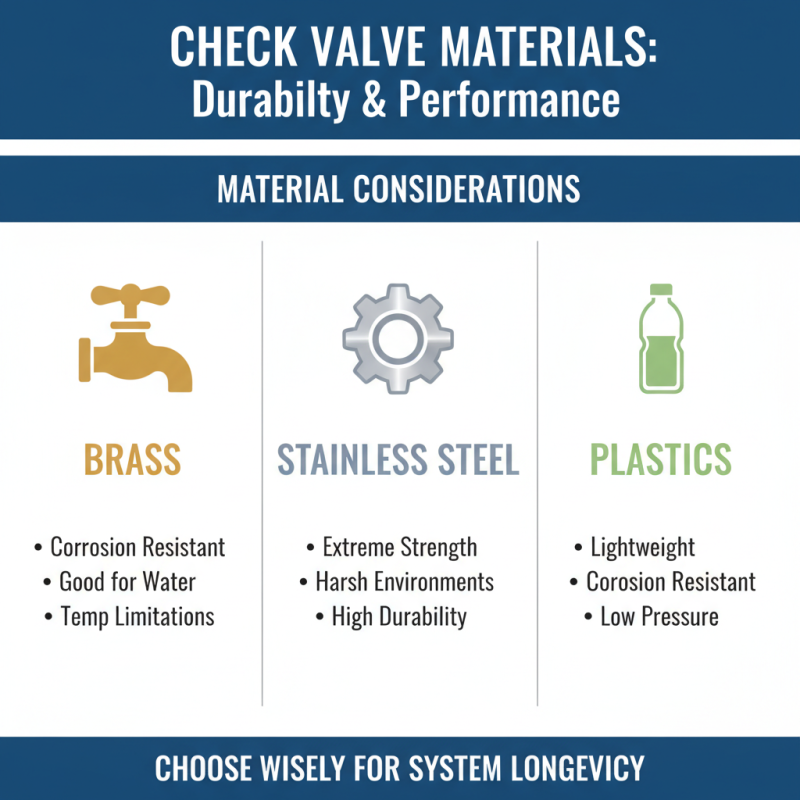
When selecting a check valve, material choice is fundamental. The material impacts durability and system performance. Common materials include brass, stainless steel, and plastics. Brass offers corrosion resistance but may not handle extreme temperatures. Stainless steel provides enhanced strength and durability, making it suitable for harsh environments. Plastics, while lightweight and resistant to corrosion, may lack durability under high pressure.
Before making a decision, think about the specific application. For example, check valves in water systems might require different materials than those used in chemical processing. Assess the temperature range and the media being handled. Pressure ratings also influence material selection. A mismatch can lead to failures.
Understanding these factors helps ensure reliable performance. Reflection on past experiences can aid your decision. Consider consulting with industry experts before purchasing. Their insights can highlight potential pitfalls you might overlook. Investing time in this research can save future costs and headaches.
Key Specifications: Pressure Ratings and Dimensions
When purchasing a check valve, pressure ratings and dimensions are crucial. Pressure ratings indicate the maximum pressure the valve can handle. Different applications require different ratings. For instance, a high-pressure system needs a valve rated for extreme pressures. Always check the specifications before making a decision.
Dimensions are equally important. An incorrect size can lead to flow issues. Measure the pipe diameter carefully. Ensure the valve fits snugly in your system. Sometimes, a valve may seem to meet pressure requirements but lacks the necessary size. This can lead to costly repairs down the line.
It’s important to consider installation space as well. Some areas may have restrictions on size due to existing equipment. Knowing the dimensions of your system helps in selecting the right valve. Misjudgments here can be frustrating. Ensure your choice aligns with both performance and physical constraints in your setup.
What to Look for When Buying a Check Valve? - Key Specifications: Pressure Ratings and Dimensions
| Specification |
Description |
| Material |
Stainless steel, PVC, or brass depending on application |
| Pressure Rating |
Up to 150 PSI for standard valves; higher ratings available |
| Size |
Common sizes include 1", 2", and 3" diameters |
| Connection Type |
Threaded, welded, or flanged connections |
| Temperature Rating |
Typically rated from -20°C to 150°C |
| End-of-Life Indicator |
Some models include visual indicators for maintenance |
Installation Guidelines and Maintenance Tips
When installing a check valve, proper orientation is key. Ensure that the arrow on the valve aligns with the flow direction. This small detail can prevent reverse flow and potential system damage. Ignoring this can lead to costly repairs down the line.
Regular maintenance is vital to ensure longevity. Periodically check for leaks or unusual noises. Small cracks or wear can indicate that a replacement is needed. Clean the valve regularly to avoid buildup, which can affect its performance. If maintenance is neglected, what could seem like a minor issue may escalate.
Understanding the environment where the check valve is installed is also important. High temperatures or corrosive substances can impact materials. Choosing the right materials for specific conditions can improve reliability. Reflecting on these aspects is crucial. Quality installation and ongoing attention to maintenance can make a significant difference in performance.
Check Valve Performance Comparison
The bar chart above illustrates the flow rates of different check valve models. When buying a check valve, one should consider the flow rate as a crucial parameter to ensure optimal performance in the intended application.
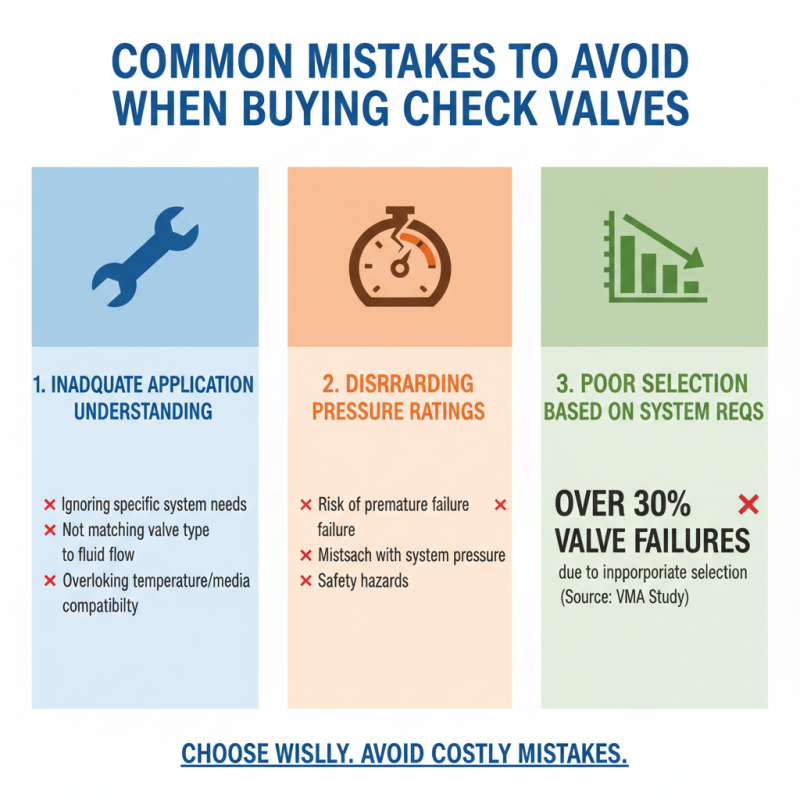
Common Mistakes to Avoid When Buying Check Valves
When purchasing check valves, many buyers overlook critical aspects. One common mistake involves inadequate understanding of the specific application and operating conditions. For instance, failure to consider pressure ratings can lead to premature valve failure. A study by the Valve Manufacturers Association (VMA) indicates that over 30% of valve failures are attributed to inappropriate selection based on system requirements.
Another mistake is ignoring material compatibility. Different environments require different materials. A valve made from the wrong material can corrode quickly. The American Society of Mechanical Engineers (ASME) reports that improper material choices contribute to nearly 25% of operational failures in piping systems. It’s vital to assess the chemical and thermal properties of materials before making a purchase.
Moreover, many buyers tend to underestimate the importance of flow characteristics. Not all check valves perform equally under varying flow conditions. Often, users choose valves without considering how they impact system efficiency. It’s essential to analyze the flow rates and patterns to enhance performance and minimize energy loss. Small mistakes here can lead to larger, costly operational issues down the line.

 More
More