Best Transformer Substation Solutions for Global Buyers?
In today's rapidly evolving energy landscape, the demand for reliable Transformer Substations is paramount. Global buyers are increasingly seeking efficient solutions that not only meet their technical requirements but also align with sustainability goals. A transformer substation serves as a critical junction in electricity distribution. It transforms voltage levels, ensuring that power flows smoothly from generation sites to end users.
Choosing the right transformer substation solution involves various considerations. These include capacity, scalability, and maintenance support. Buyers must evaluate suppliers based on expertise and past performance. Proven track records foster trust and reliability. Building partnerships with reputable manufacturers can significantly impact operational efficiency.
However, the market is not without challenges. Global buyers may encounter issues related to supply chain disruptions and technological advancements. As new innovations emerge, staying updated is crucial. The pursuit of the best transformer substation solution is ongoing. Continuous improvement and adaptation to changing demands are key to sustaining success.
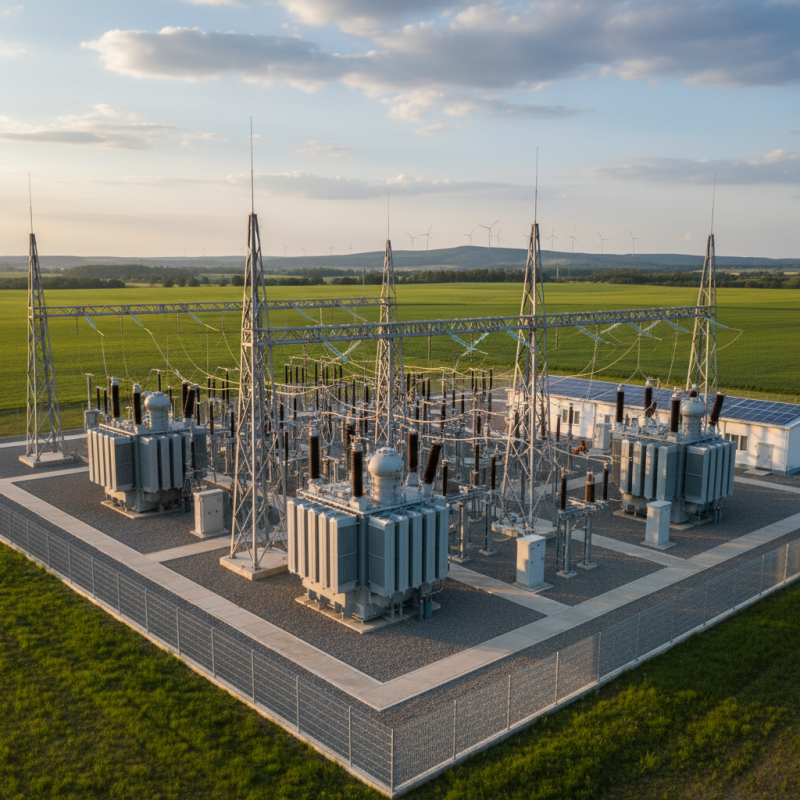
Overview of Transformer Substation Solutions
Transformers play a vital role in electrical substations. These devices convert voltage levels for efficient power distribution. They are essential components in ensuring reliable energy flow across vast networks. The right transformer substation solution can improve efficiency and reduce operational costs.
When considering transformer substation solutions, assess your specific needs. Not all setups will suit every scenario. Each project demands a customized approach. Analyze the local grid requirements, load factors, and safety standards. This helps in selecting the appropriate transformer type and configuration.
Tips: Choose a solution that offers scalability. You might need to adapt to future demands. Also, prioritize components known for durability. Look for designs that withstand environmental stresses. Regular maintenance can prolong the lifespan of subsystems. Always involve experienced professionals in the planning phase. Their expertise minimizes mistakes and enhances reliability.
Key Features to Consider in Transformer Substations
When evaluating transformer substations, several key features demand careful consideration. Reliability is crucial. A durable design ensures minimal downtime and prolonged operational life. Components should withstand severe weather conditions. This reliability impacts not just efficiency but also safety.
Safety measures must also be a priority. Substations should incorporate advanced protection systems. These prevent malfunctions and safeguard workers on-site. Additionally, regular maintenance is essential. A proactive approach can prevent costly repairs and enhance overall functionality.
Transformer capacity is another critical aspect. Buyers should assess the expected load. This ensures that the substation can handle future demands. Moreover, space constraints often play a role in design choices. Choosing a compact solution doesn’t mean sacrificing quality. Balancing size with capability can lead to complex decisions. These challenges highlight the need for thorough planning and analysis.
Leading Manufacturers of Transformer Substation Equipment
The demand for transformer substation equipment is rising globally. Industry reports indicate that the market is expected to grow at a CAGR of 6.5% from 2022 to 2028. Leading manufacturers play a crucial role in meeting this demand. Their innovative solutions enhance efficiency and reduce operational costs, benefiting utility companies.
Manufacturers are focusing on sustainable technologies. They aim to minimize the environmental impact of transformer substations. Smart grid integration is also a priority, allowing better monitoring and control. This trend appears vital, with over 70% of industry experts advocating for greener solutions. However, the landscape is competitive, with several firms striving for market share, making it essential to keep up with advancements.
Tip: Stay informed about industry trends and technologies. Regularly review reports and publications. Engaging with experts can also provide valuable insights. Consider potential challenges such as supply chain issues and changing regulations. Adapting to these elements can make a significant difference in operational success.
Transformer Substation Equipment Market Share by Type (2023)
Global Market Trends and Buyer Preferences
The global transformer substation market is seeing significant changes. Buyers are increasingly prioritizing efficiency and reliability. According to a recent analysis by BCC Research, the market is projected to grow at a CAGR of 6.5% over the next five years, reaching over $7 billion by 2028. This reflects a shift towards advanced technologies that ensure smoother energy distribution.
One notable trend is the emphasis on sustainability. Many buyers seek eco-friendly solutions that reduce carbon footprints. The International Energy Agency reports that renewable energy integration is becoming crucial. Substations that facilitate this integration will likely gain preference. However, some manufacturers struggle with customer expectations regarding sustainability practices.
Tips for global buyers: Assess supplier capabilities in energy efficiency. Seek companies that provide customizable solutions to meet specific needs. It's also vital to review a supplier's commitment to regulatory compliance. Proactively engaging with vendors during the selection process can prevent disappointments. More transparency in supplier practices will enhance trust and reliability in the long run. The importance of quality oversight cannot be overlooked; unexpected issues often arise when quality checks are neglected.
Future Innovations in Transformer Substation Technology
The future of transformer substation technology is evolving rapidly. Emerging innovations focus on efficiency and sustainability. Advanced materials are enhancing the lifespan and performance of transformers. New designs allow for more compact setups, reducing land use and costs. Smart technology integration ensures better monitoring and control over electrical networks.
Digital twins are becoming common in the industry. They help simulate and optimize performance in real time. However, some challenges remain. Not all companies have the resources to implement these technologies effectively. There can be a steep learning curve for workers. Finding qualified personnel for new systems is often difficult.
Moreover, the balance between innovation and reliability is critical. Stakeholders must assess risks versus benefits when adopting new solutions. Continuous feedback from existing technologies can help refine future designs. Overall, these innovations promise a more resilient and efficient energy future. Yet, careful implementation is essential for success.

 More
More