
In today's world, clean water is essential for our health and well-being. Ultrafiltration Water Purifiers offer a practical solution to ensure safe drinking water. They work by using a semi-permeable membrane to remove bacteria, viruses, and other impurities. This technology provides a higher level of filtration compared to traditional methods.
Many consumers are unaware of the advantages of these purifiers. Not only do they improve taste and odor, but they also retain beneficial minerals. This balance is crucial for those who prioritize health. However, potential buyers should consider installation and maintenance needs. Understanding these factors helps in making informed decisions.
Investing in Ultrafiltration Water Purifiers can lead to significant health benefits. However, people may overlook the importance of choosing a reliable brand. Research is essential to ensure quality and effectiveness. Users often reflect on their experiences to choose wisely. Taking the time to evaluate options is a step towards better water quality.
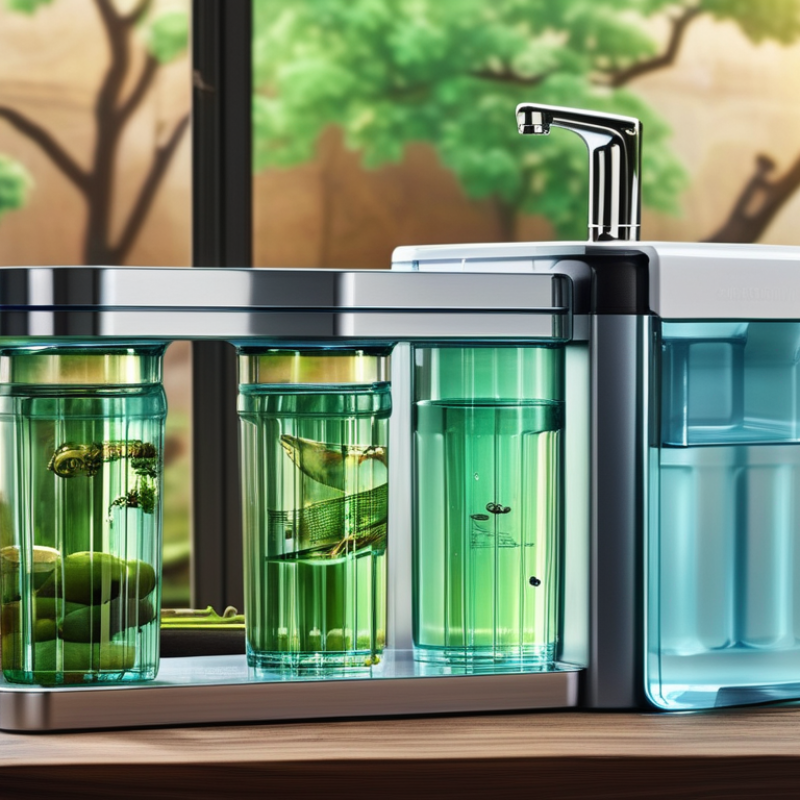
Ultrafiltration water purifiers are gaining popularity for home use, thanks to their numerous benefits. One significant advantage is effective filtration. These systems can remove impurities like bacteria, viruses, and suspended solids. The result is clean, safe drinking water. They provide an additional layer of protection, especially in areas prone to water contamination.
Another key benefit is ease of use. Ultrafiltration purifiers typically require minimal maintenance. Regular cleaning is often enough to keep them functioning well. Homeowners appreciate this simplicity. Installing these systems is usually straightforward, ensuring that safe drinking water is always accessible. Despite the many advantages, some users may still worry about filter lifespan and replacement costs.
Energy efficiency is also noteworthy. Many ultrafiltration systems operate without electricity. This makes them suitable for homes in remote areas. However, not all systems are created equal. Some may perform poorly under certain water conditions. It's essential for buyers to research and ensure they choose the right model for their specific needs.
Ultrafiltration technology significantly enhances water quality. This process effectively removes bacteria, viruses, and particulate matter. Ultrafiltration membranes act as a barrier, allowing only pure water molecules to pass through. This results in cleaner drinking water, promoting better health for consumers.
Moreover, ultrafiltration operates without chemicals. This fact is crucial for those concerned about chemical exposure. Its ability to retain essential minerals is another advantage. However, not all ultrafiltration systems remove dissolved salts. This may lead to varying water tastes.
A common concern is maintenance. Some consumers find the cartridge replacements daunting. Regular maintenance ensures optimal performance. Without it, the system may not function effectively. Regular checks can help maintain water purity, ensuring reliable access to clean water.
Ultrafiltration systems offer significant long-term savings for consumers. These systems effectively remove impurities from water, which enhances its safety and taste. Unlike traditional methods, ultrafiltration does not require expensive maintenance, making it a budget-friendly option over time. This helps reduce utility bills since users no longer need to purchase bottled water.
Investing in ultrafiltration systems can be daunting. Many may consider the initial costs to be high. However, when examining the overall expenses, the savings become clear. Maintaining healthy drinking water quality prevents potential health issues, which can result in medical expenses. This long-term perspective clarifies that ultrafiltration is a smart choice.
While the technology has its benefits, users must evaluate their water quality and needs. Not every household will require this level of filtration. Therefore, understanding specific circumstances is crucial. Overall, the financial aspect of ultrafiltration systems emphasizes both practicality and value for health-conscious consumers.
Ultrafiltration water purifiers have gained popularity for their user-friendly features. These systems simplify water purification, making it accessible for everyone. The intuitive designs often include easy-to-read displays, making operation seamless. Users can quickly monitor water quality and filter status, eliminating guesswork.
Many ultrafiltration systems are designed for easy installation. This eliminates the need for professional help, saving both time and money. They often feature compact designs that fit easily into kitchens. Some units come with quick-connect hoses, which enhance user experience. This level of accessibility can be particularly beneficial for families with children or the elderly.
Despite these advantages, it's important to remember that not all ultrafiltration systems meet every need. Some may offer limited filtration against certain contaminants. Users must carefully research options that address specific concerns. Regular maintenance is essential to keep systems functioning optimally. Taking these factors into account can help buyers make informed decisions.
Ultrafiltration water purifiers play a crucial role in reducing plastic waste and promoting environmental sustainability. According to the World Economic Forum, over 300 million tons of plastic are produced globally each year. A significant portion of this plastic ends up in waterways and oceans, causing severe ecological damage. By utilizing ultrafiltration systems, households can minimize their reliance on bottled water. This shift can substantially reduce plastic consumption, as each bottle takes hundreds of years to decompose.
These filtration systems are effective. They remove contaminants while preserving essential minerals, making water safe and enjoyable to drink. Moreover, a study by the United Nations suggests that adopting ultrafiltration technology can decrease plastic waste by nearly 50% on an individual household level. In communities where these systems are used widely, the collective impact on plastic reduction can be monumental. Encouraging the use of ultrafiltration purifiers is vital for fostering responsible consumer behavior and nurturing a cleaner environment.
However, the transition to ultrafiltration systems is not without challenges. Some users may be reluctant due to initial installation costs or maintenance concerns. Additionally, education about proper usage and the system's benefits is essential. Without awareness, the potential to reduce plastic waste may remain untapped. The societal shift towards ultrafiltration needs further exploration and support to optimize its benefits for the environment.
| Benefit | Description | Environmental Impact |
|---|---|---|
| Effective Contaminant Removal | Removes bacteria, viruses, and sediments. | Reduces health risks from contaminated water sources. |
| Cost-Effective | Reduces bottled water expenses over time. | Cuts down on single-use plastic bottles. |
| Low Energy Consumption | Operates at lower energy costs than other purifiers. | Less carbon footprint due to lower energy use. |
| Chemical-Free Purification | Utilizes physical filtration instead of chemicals. | Minimizes chemical pollution in water systems. |
| Easy Maintenance | Filters can be easily replaced with minimal effort. | Less waste generated compared to dispose-and-replace systems. |
| Better Taste and Odor | Improves the taste and smell of drinking water. | Encourages drinking tap water over bottled alternatives. |
| Compact Size | Can fit in small spaces, ideal for homes. | Promotes efficient use of resources in urban settings. |
| Environmental Sustainability | Supports the use of renewable resources. | Encourages sustainable practices among consumers. |
| Educational Aspect | Raises awareness about water quality and conservation. | Fosters a culture of environmental consciousness. |
| Long Lifespan | High-quality filters last longer than traditional filters. | Reduces waste from frequent filter changes. |